
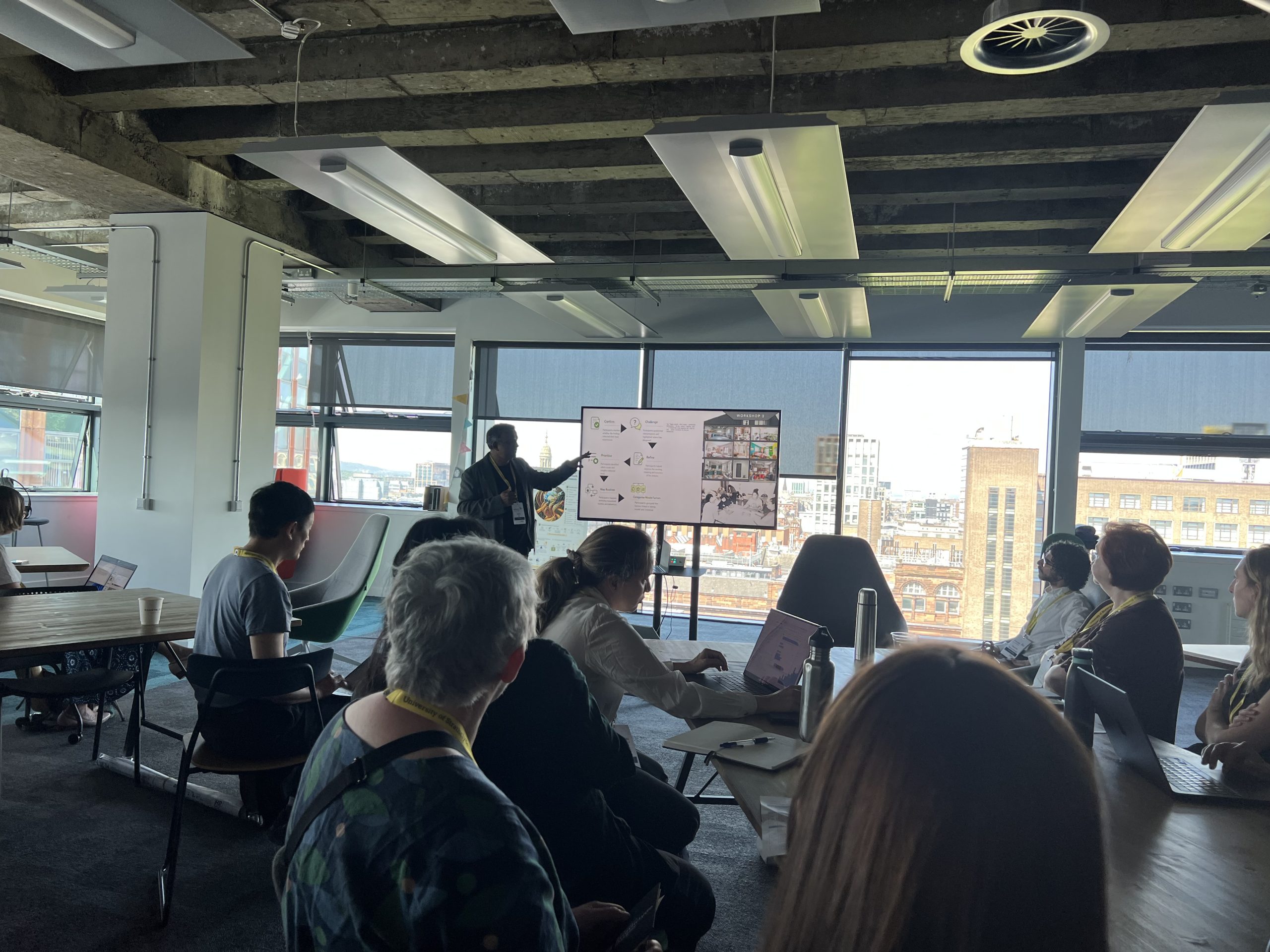
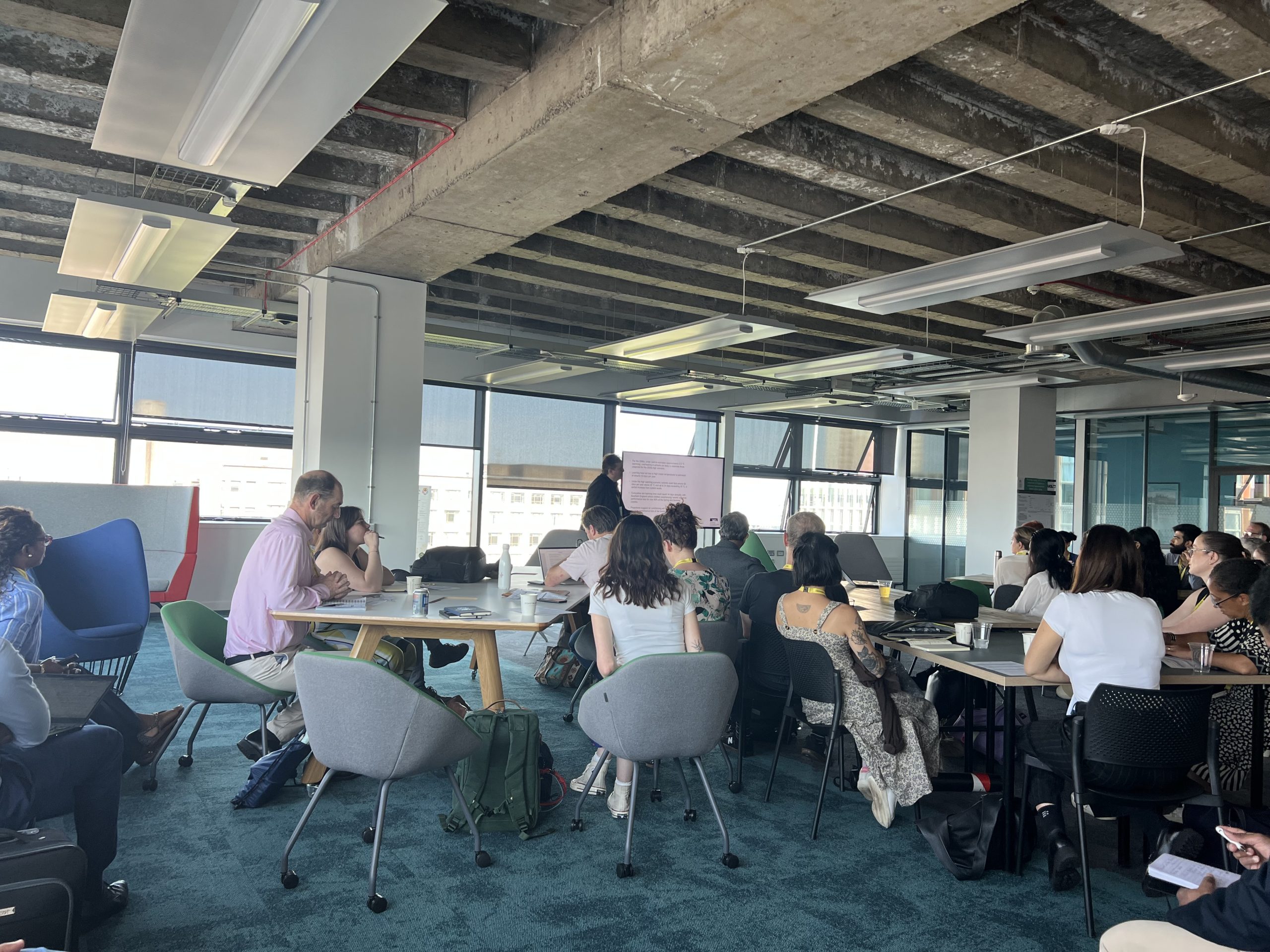
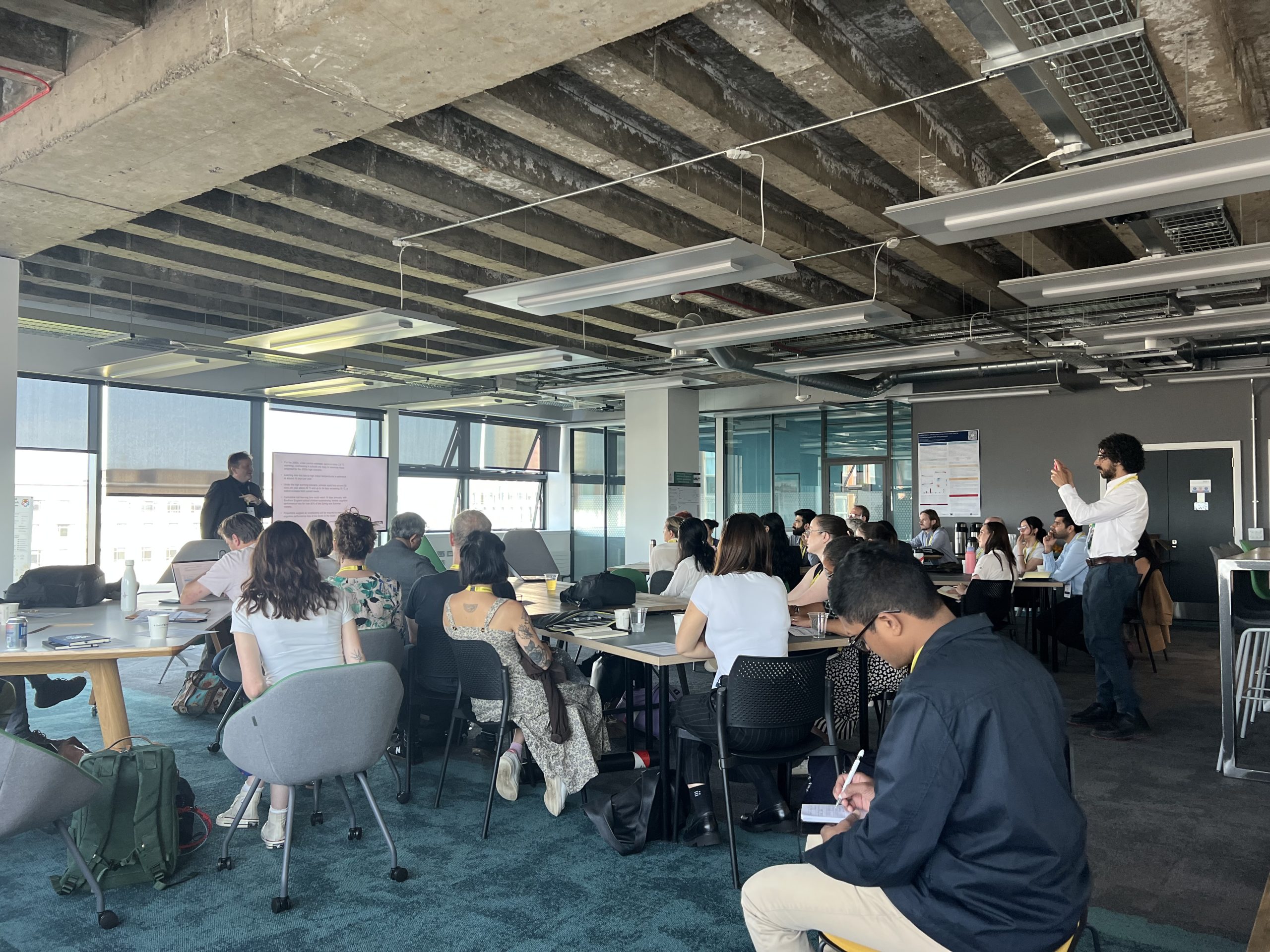
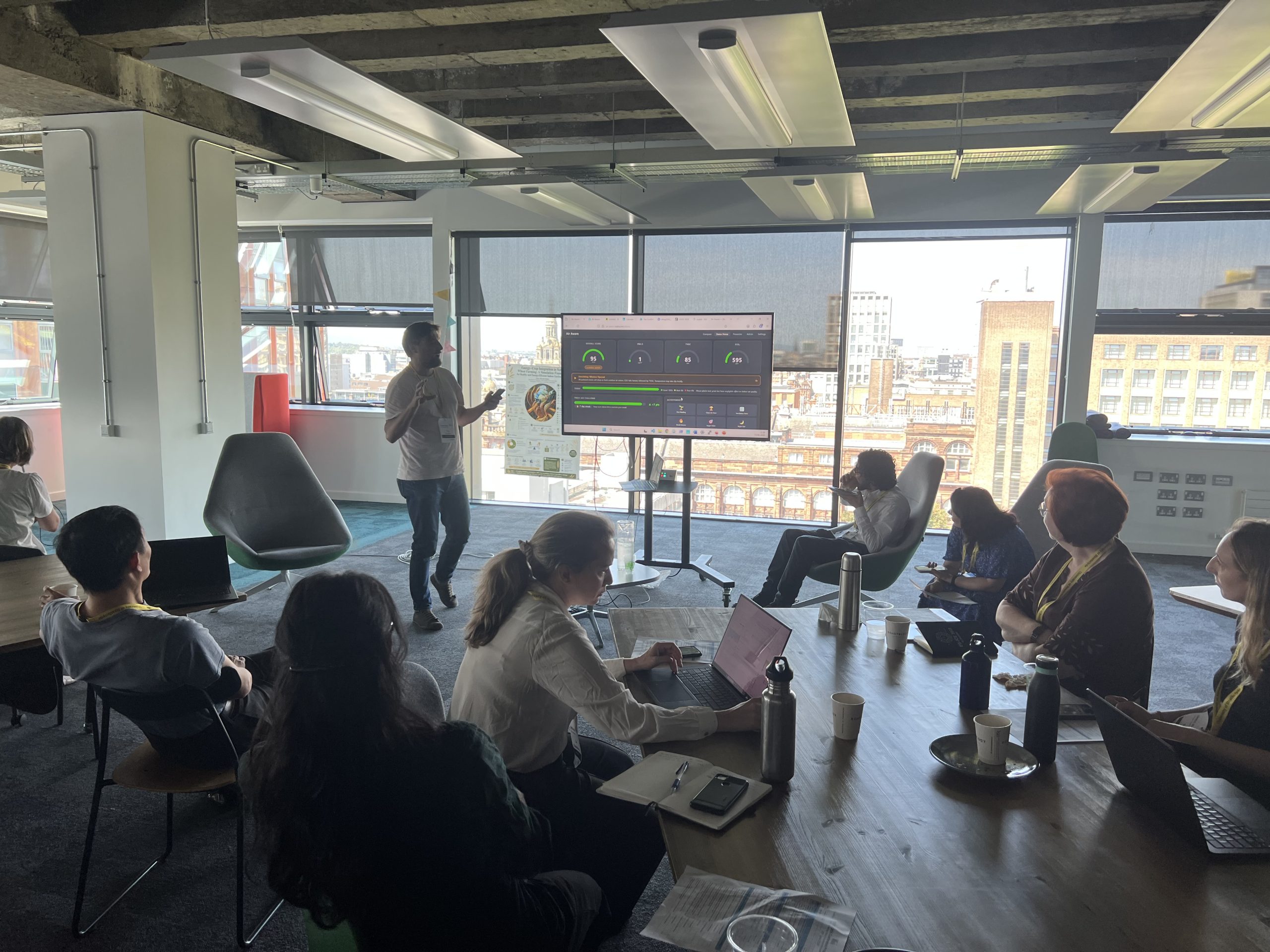
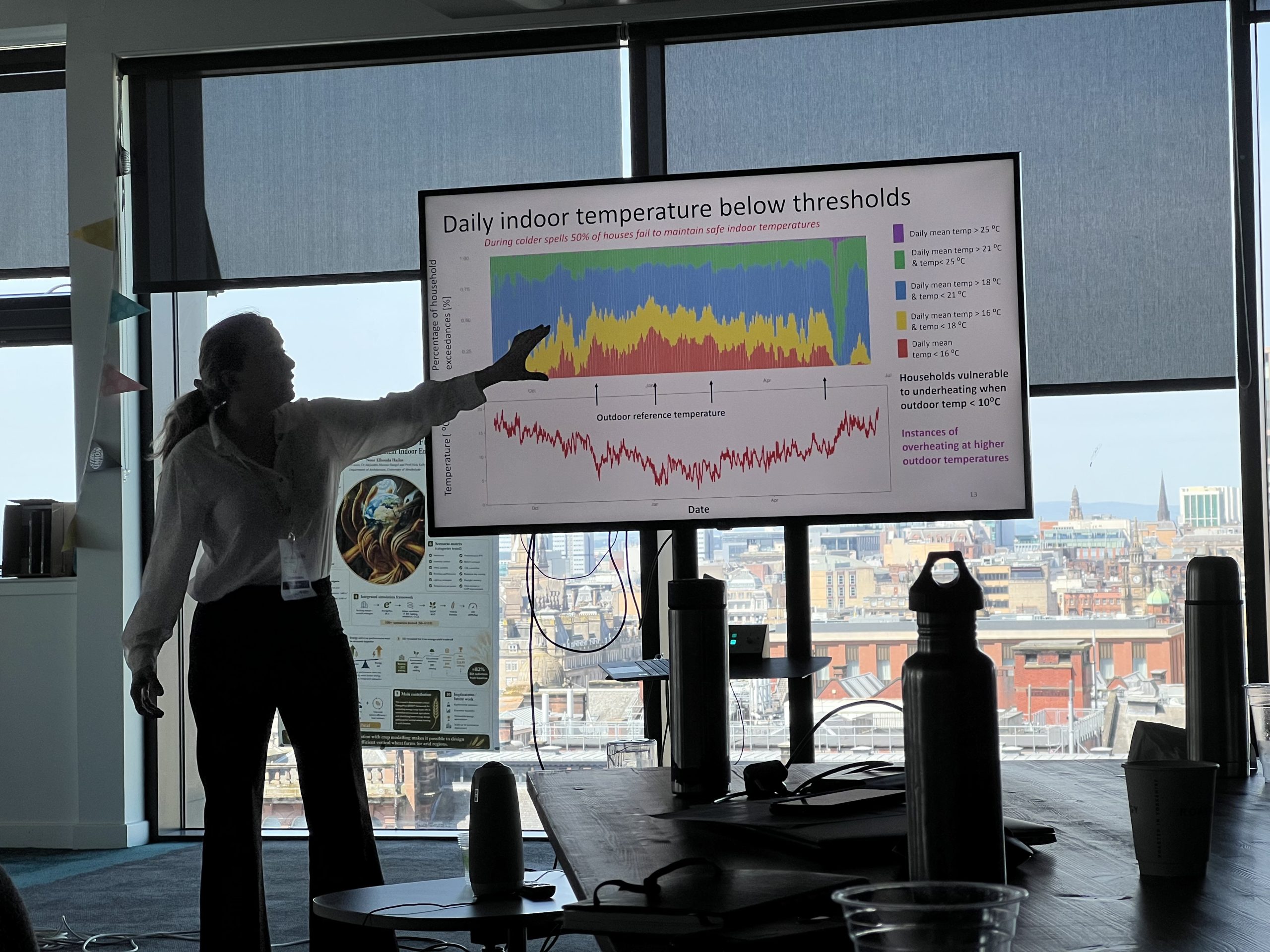
On the 25th of June 2026, I presented alongside my research team at the UKIEG Annual Conference and AGM. UKIEG is a unique, independent and impartial multidisciplinary network focused on improving health and wellbeing through evidence-informed policy and practice in the UK indoor built environment.
Our presentation, “Bridging Technical Performance and Lived Experience: A Co-Design Approach to PV and Battery Retrofits in Social Housing”, was part of the conference theme: Retrofitting for Health. It addressed a gap we see in many retrofit projects: technical performance does not automatically translate into resident outcomes.
Why the work matters
Photovoltaic (PV) and battery storage systems can reduce energy costs and carbon emissions, but their benefits can be mediated by how residents experience the technology in everyday life. Retrofits also intersect with indoor environmental quality (IEQ), which is directly linked to health and wellbeing through factors such as ventilation, temperature, humidity and CO2.
Our approach
We used an overarching methodology combining:
- Occupant-centred co-design
- Reflective Thematic Analysis of qualitative data from residents
- Triangulation of qualitative and quantitative IEQ/energy monitoring to connect lived experience with measured outcomes.
Top emerging findings so far
Control is central—residents value PV/batteries when they provide usable visibility and understanding, but control is fragile when processes are opaque or digital/admin burdens are high.
- Guidance must be practical and simple
- Outcomes depend on routines and structural constraints—comfort, health needs, household rhythms, and building/ventilation conditions shape what residents can achieve beyond behaviour change.
Implications for retrofitting for health
- Design for usable control, not just technical performance.
- Prioritise comfort and health as key drivers of energy decisions.
- Reduce resident labour (avoid app overload, confusing interfaces, and unnecessary admin).
- Treat barriers as partly structural, not only behavioural.
- Embed resident engagement into retrofit delivery and governance.
Next steps
Monitoring continues, and we will conduct triangulation. Ultimately, we will co-produce a replicable user-friendly energy pack to help housing providers deliver retrofit handovers and education that support both health and energy outcomes.
In short: PV and battery retrofits deliver lasting benefits when technical performance is matched with occupant-centred co-designed guidance that reduces effort and enables usable control.
Watch the space for more updates in the upcoming months!!
Check here for more info on the CeNZ-HighDB research projects

 Mirian Calvo