
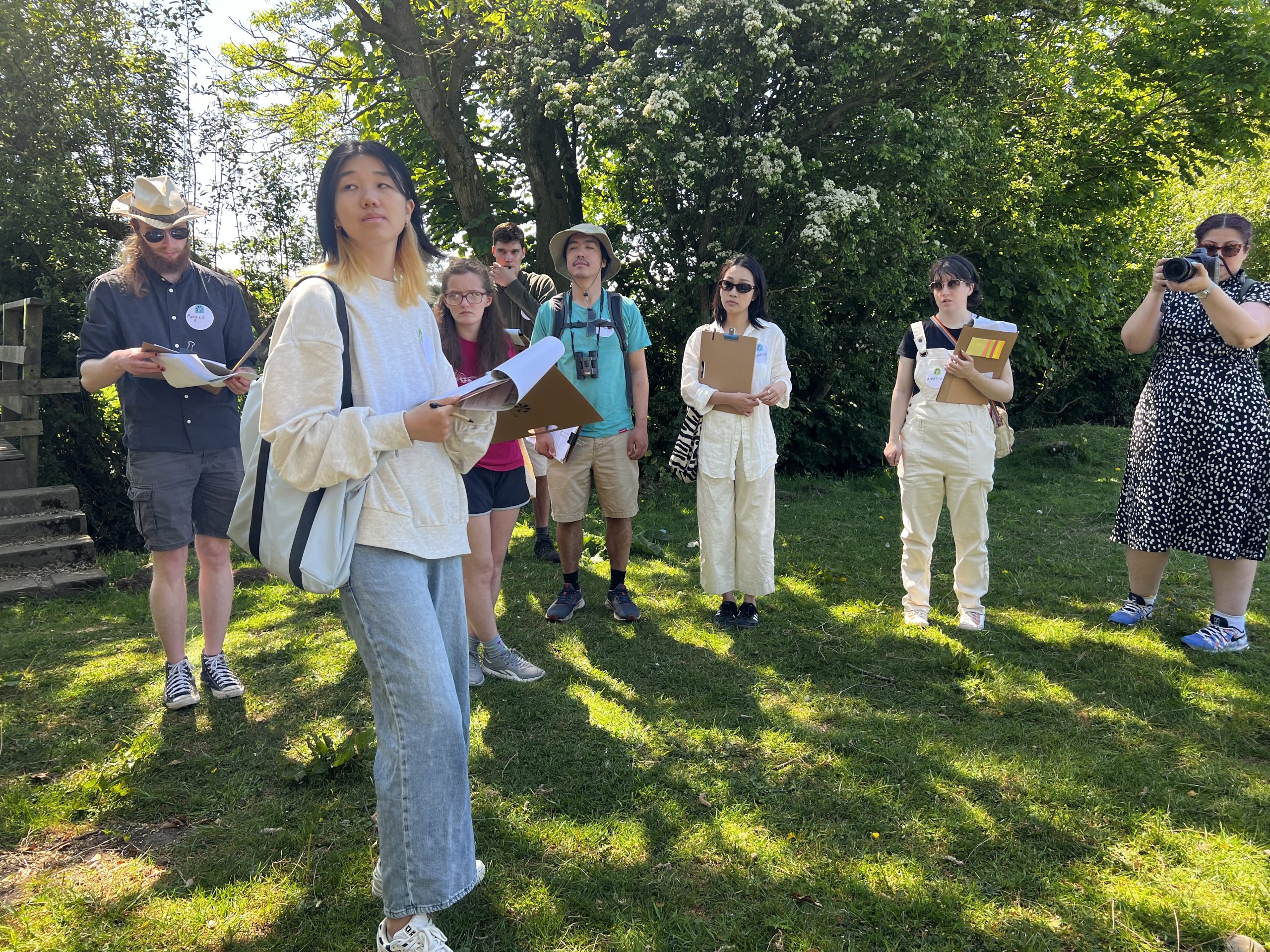
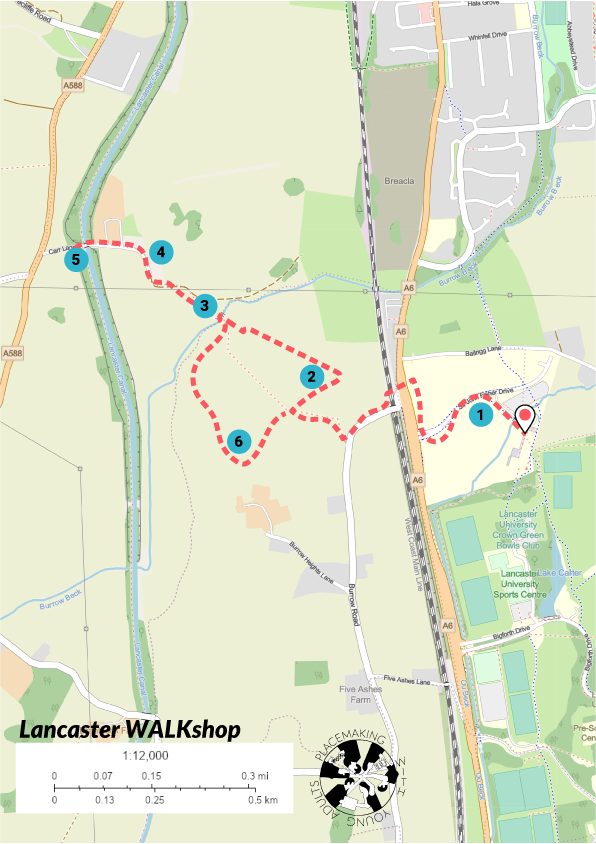
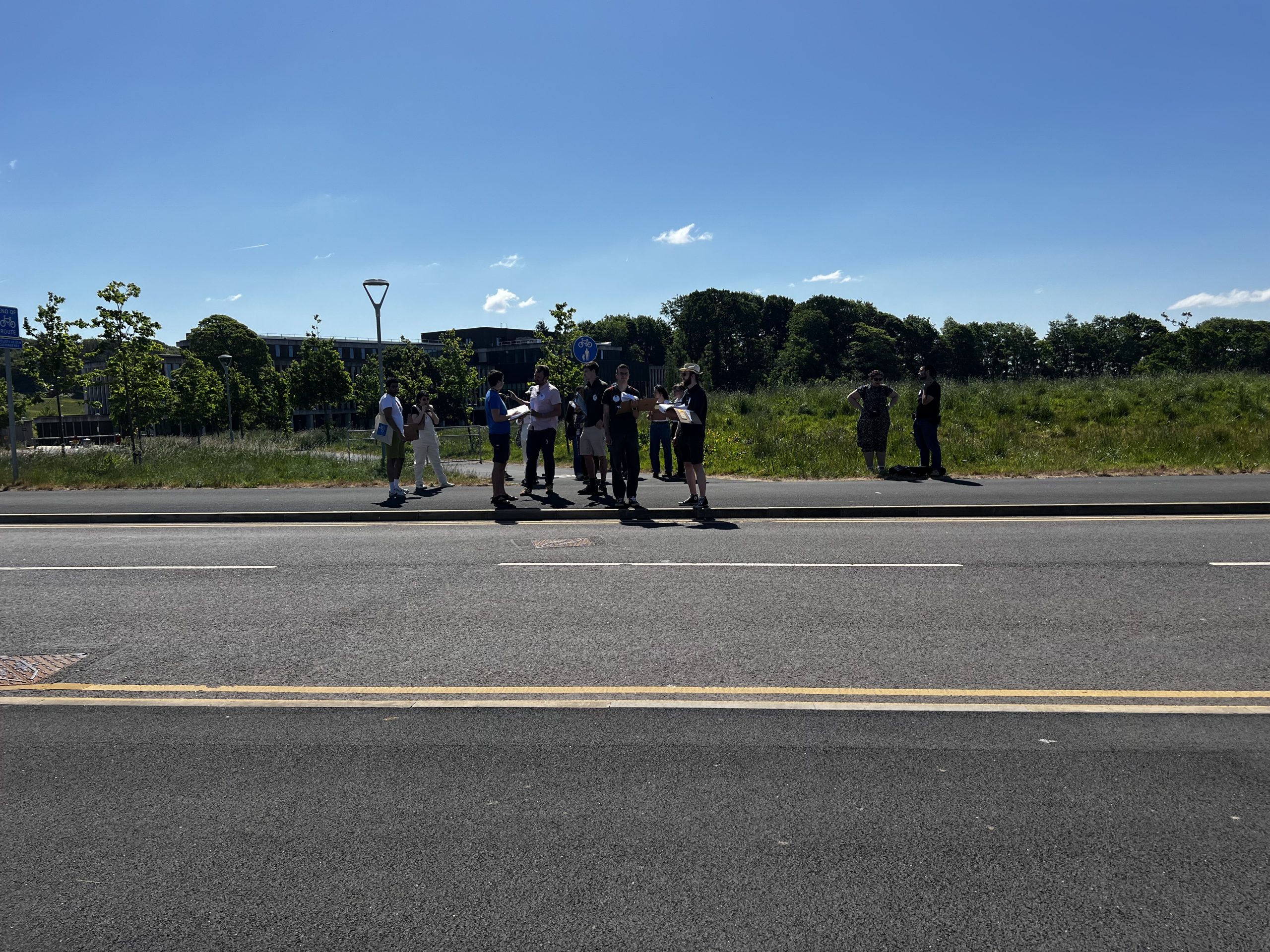
On May 17th, 21 young adults joined planning officers from Lancaster City Council and University researchers. Meeting at the Health Innovation Campus on a sunny Saturday morning, the group explored a site earmarked for developments – including a new hospital – walking past the proposed hospital site, across the A6, and down towards Lancaster Canal.
The event drew our largest group yet, with young professionals eager to discuss their hopes for future development in an area facing both exciting opportunities and significant constraints like flooding and transport barriers.
Exploring the Site
Starting at the proposed hospital site on St John Fischer’s Drive, participants immediately identified how any development would work with the proposed hospital. They highlighted how green and blue spaces could aid patient recovery while noting practical challenges: ensuring adequate shops and services, creating safe ambulance routes, and balancing housing needs with healthcare infrastructure.
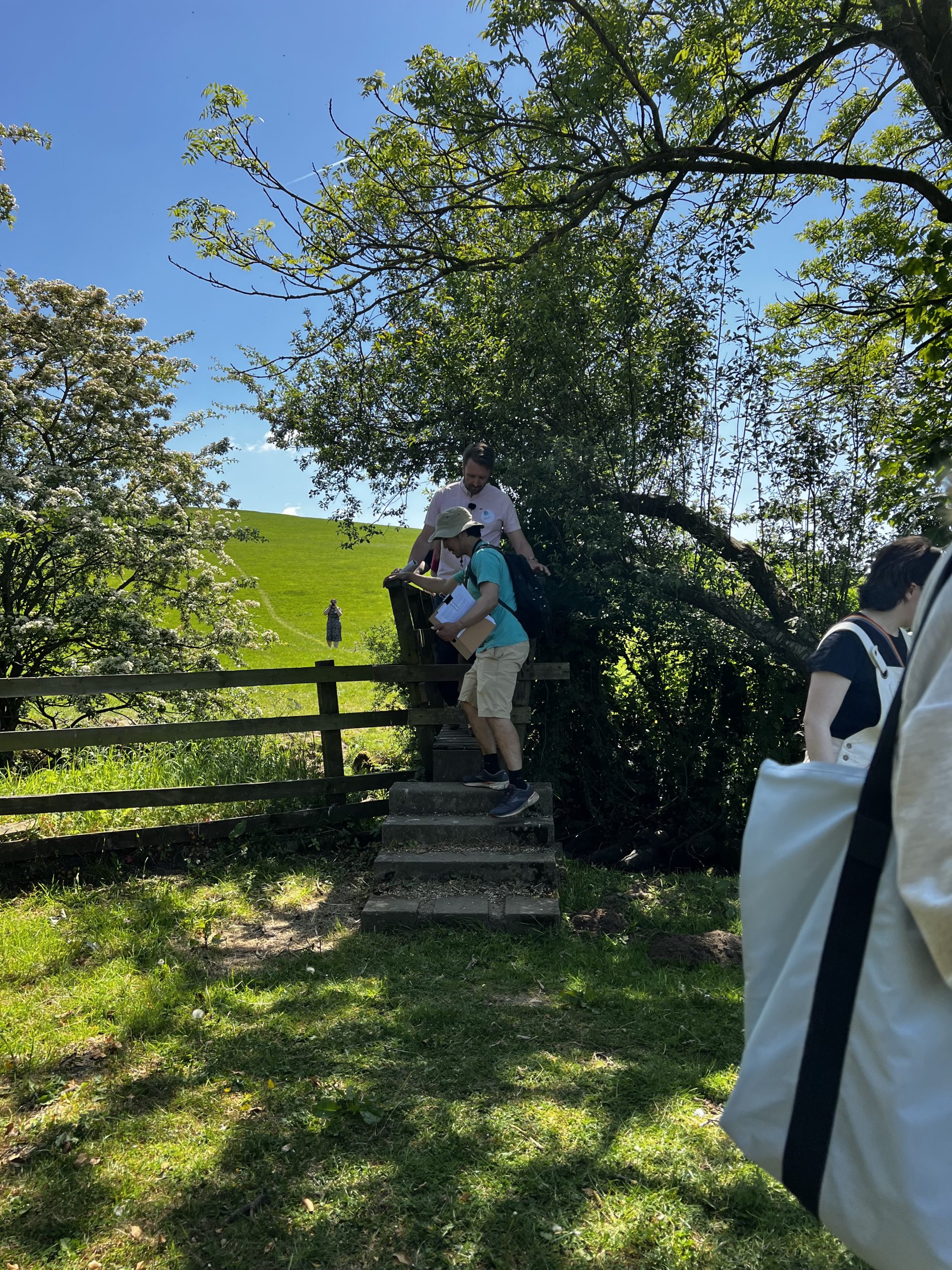
After crossing the busy A6, the group stopped at Burrow Beck – a picturesque area prone to flooding. Rather than seeing this as a dead end, participants suggested working with the water: keeping the area green with benches and tables for community use, while locating any housing on higher, safer ground in more concentrated developments.
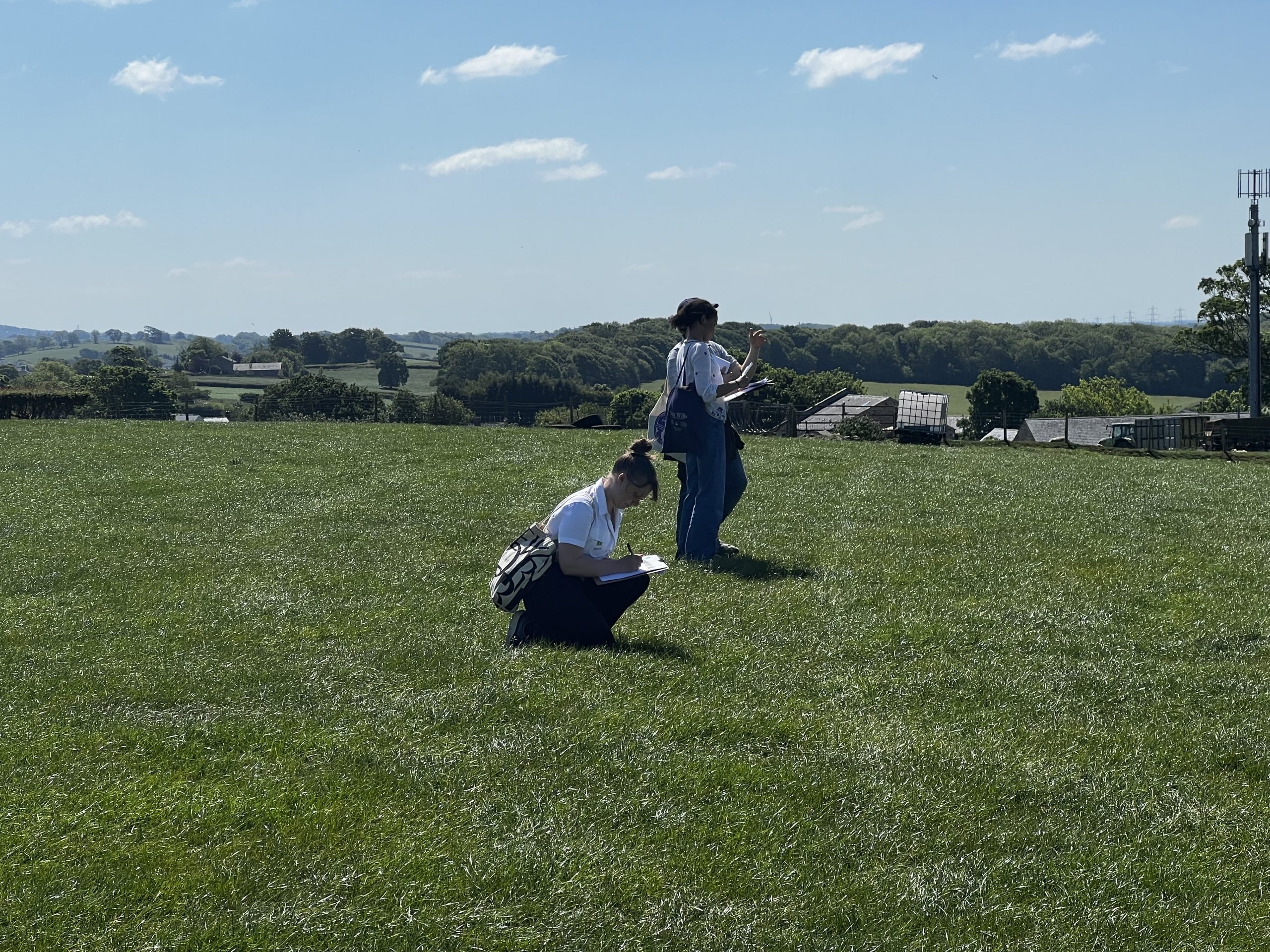
Burrow Heights, our next stop, offers sweeping views of the Lake District and across the city. The group’s response was unanimous: “This view should not be privatised” – it should remain a community space for everyone to enjoy.
Key Themes That Emerged
Thoughtful Development: Participants felt tension between preserving beautiful natural space and acknowledging housing pressures. As someone noted: “It feels I was really struggling to think where an appropriate place to put dwellings and houses were when I was walking around, because all of it seems like it could be lovely just as a natural space.”
The solution lay in being more thoughtful about where and how to build. Rather than sprawling development, the group discussed “dense intervention that frees the other space” – concentrating housing to preserve larger natural areas. They emphasised diversity: “It’s not just co-housing; no, co-housing is just one model for residential. I’m very interested in actually bringing more diversity, more home types for a mix of people.”
Movement and Travel: The site told a story of barriers and divided areas – railway lines, busy roads, and the canal create barriers that in turn, shape movement. The railway and canal emerged as particular concerns: “The West Main Line, that’s quite a big barrier towards connectivity. There are only certain places you can cross.” Participants identified challenges, however, through these were creative opportunities, with examples including “So the A6 could be transformed into a motorway for bicycles.” Others focused on working with existing infrastructure: “If you had a kind of a core sustainable travel corridor which goes through here, all the way through there, that’s almost the best you can do without a bridge.”
Social Communities: Walking through the fields, participants returned to one fundamental question: how do you build genuine community in new development? The conversation revealed something, as one participant noted: “When you create development, you don’t have an in-built community there. People connect with nature and with each other over food, with social animals… That’s what we do.”
Food production was seen as a powerful community builder. Instead of individual allotments, participants advocated for shared growing: “Community gardens are far more productive and far more involved and have a lot more success with their yields than single occupier allotments.”
Many young adults were aware of challenges with loneliness, exacerbated by lockdown, and craved more social communities woven into future planning. Participants understood that building community isn’t always about building structures: “There’s a lot of this that maybe we want more social interventions than actual building interventions.”
After the Walk
We reconvened at the Health Innovation Campus, and discussed these thoughts over lunch. The vibe was uplifting, and reflective, as people noted down thoughts on post-its, placing them on the big print out of the map on the wall. We held a group discussion afterwards, with attendees bouncing ideas off each other on how to strike a balance between house building, preservation of natural environments, and promoting social communities through creative design and shared spaces. The relaxed, informal setting encouraged honest conversations that might not happen in formal planning meetings, but the planning department really valued.
Looking Ahead
The group’s approach was practical: “Think creatively about the problem once you know what the barriers are.” These insights will inform future planning decisions through a comprehensive report. The walkshop format proved effective at drawing genuine concerns from young professionals often underrepresented in traditional consultations, demonstrating how much richer planning discussions become when people can experience spaces rather than just looking at maps.
 Mirian Calvo