
Held at Lancaster and Morecambe College, this walk was part three of the Placemaking with Young Adults events, designed to get younger people engaged with planning and discussing how our local spaces should look, feel and function in the years to come.
The Morecambe event saw another fantastic turnout, with familiar faces popping up from the previous Carnforth and Lancaster events. To me, that kind of consistency matters. It shows that the group we are working with are not just curious, but that they care and want their voices heard in the conversations that will shape the new Local Plan. It was also great confirmation for us that the events we were running were engaging and enjoyable!
So, what happened at the event?
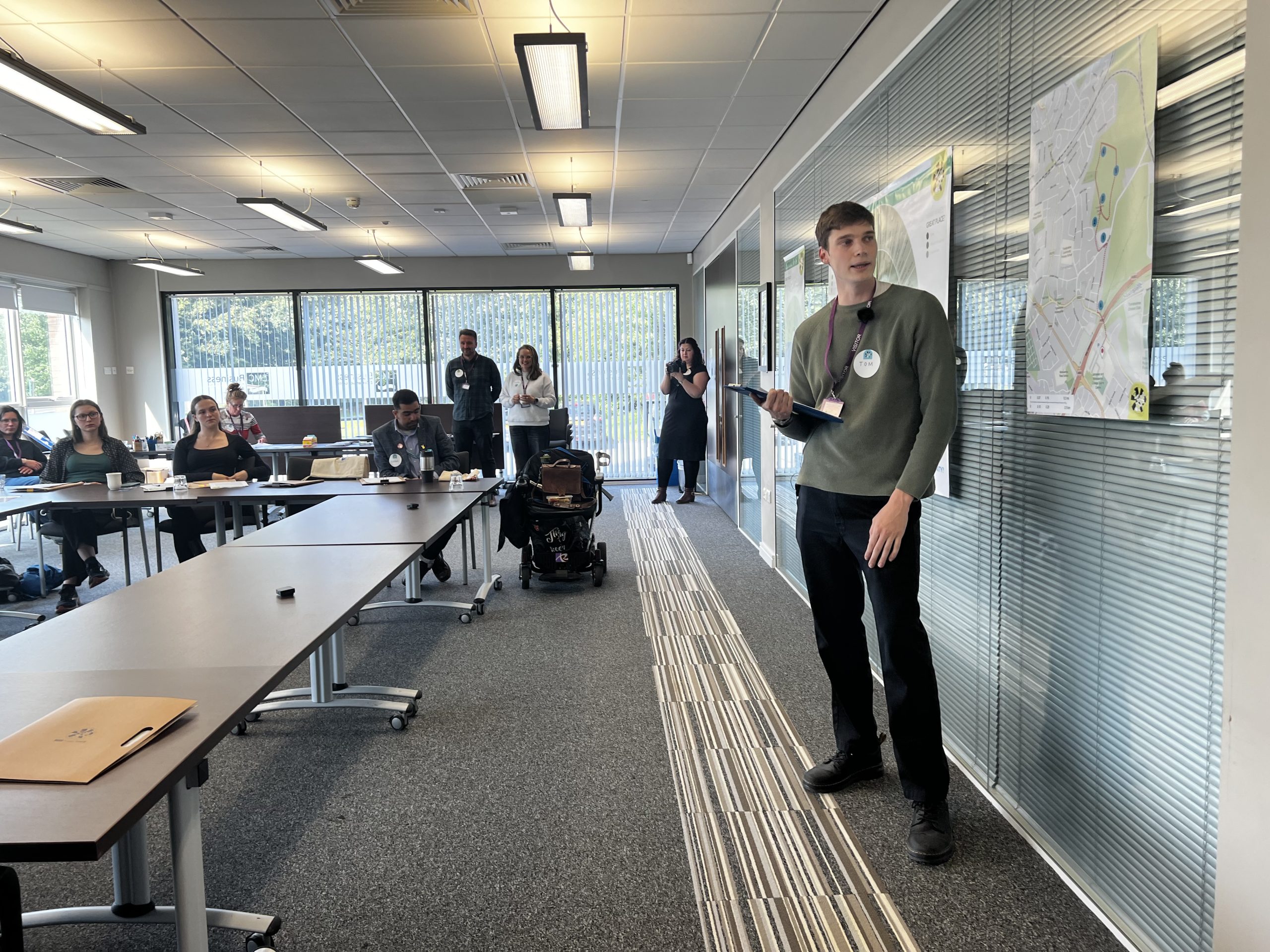
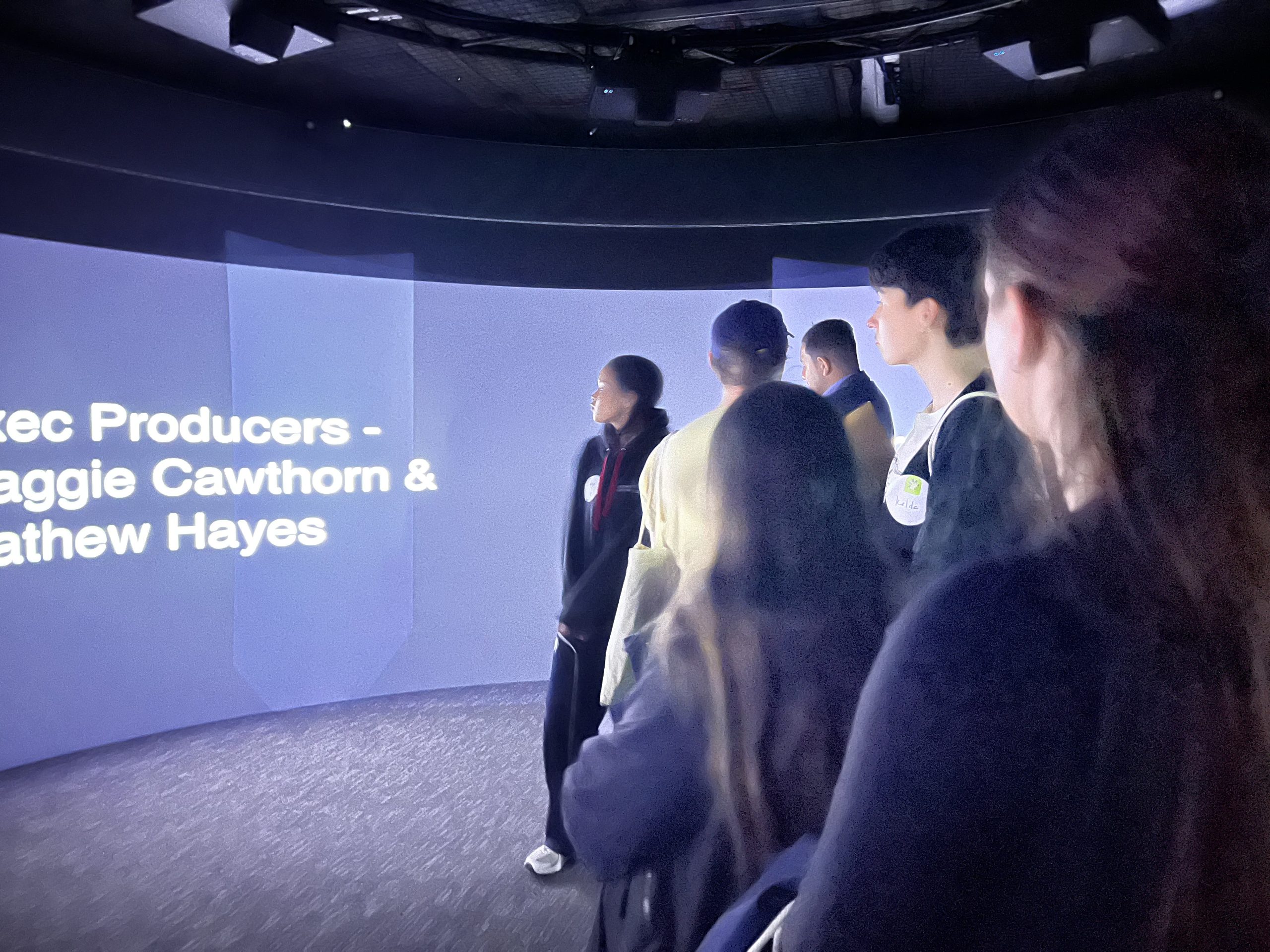
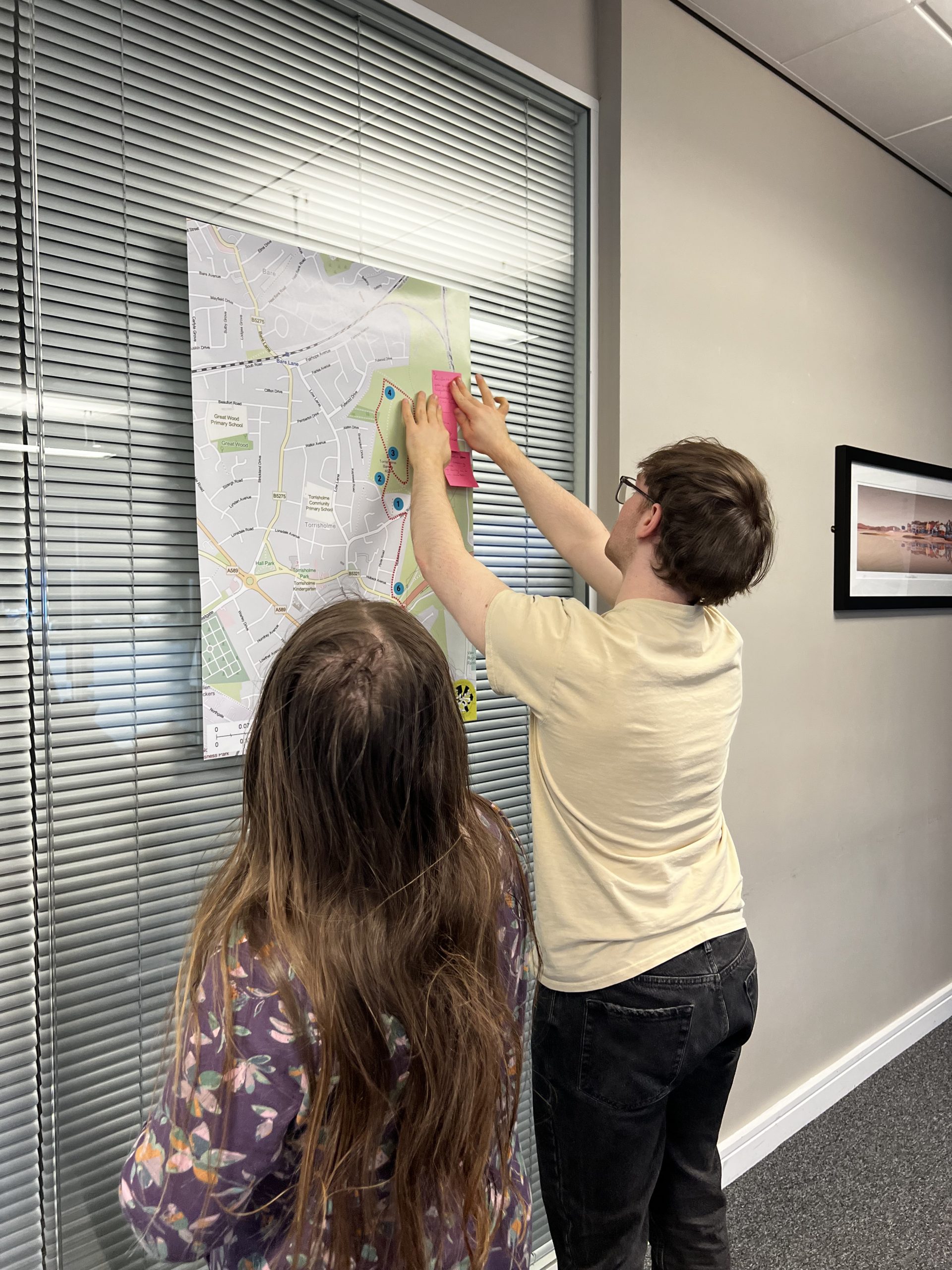
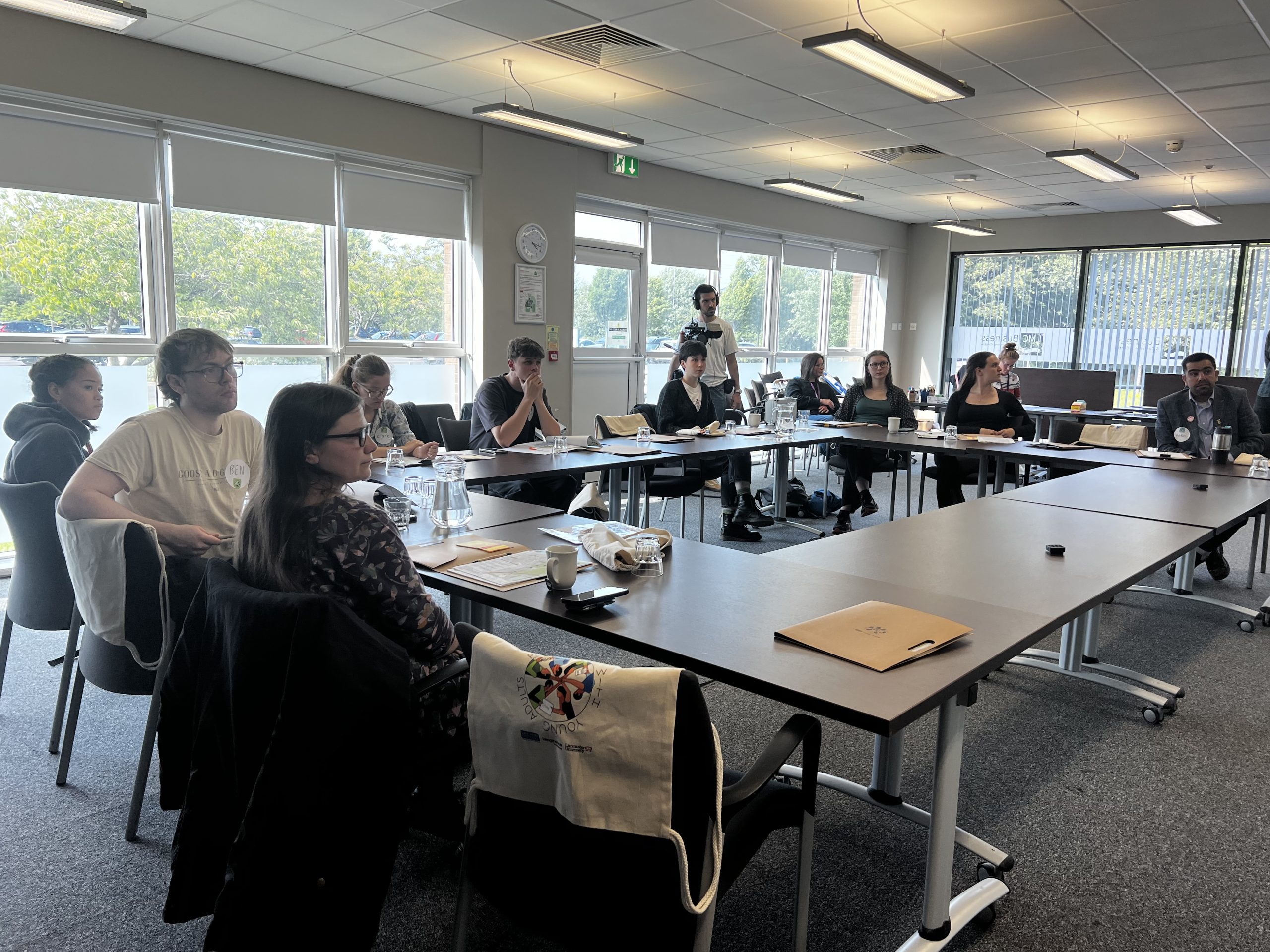
As always, we kicked things off with an introduction to the Placemaking framework. This is the toolkit we would be using to think about how to shape our communities (see previous blogs for more info on the toolkit). From there, the route for the day’s walk was explained, with introductions to the main spots we would be visiting. Before getting our coats on and heading out for the walk, we were hit with something powerful. The group was shown a video on climate change and coastal flooding in Morecambe. The media room was decked out with a screen wrapping around us, providing an immersive, panoramic view of the district. Imagine standing by the gates of Happy Mount Park, but instead of seeing the beautiful sea views and sunsets, you are seeing the real risk our area faces in the future. As the years pass and sea level rises, you get to witness first-hand the true impact of climate change and sea level rise on our local area. The video was eye-opening, chilling and the perfect reminder of why these placemaking conversations matter.
Walking the Walk
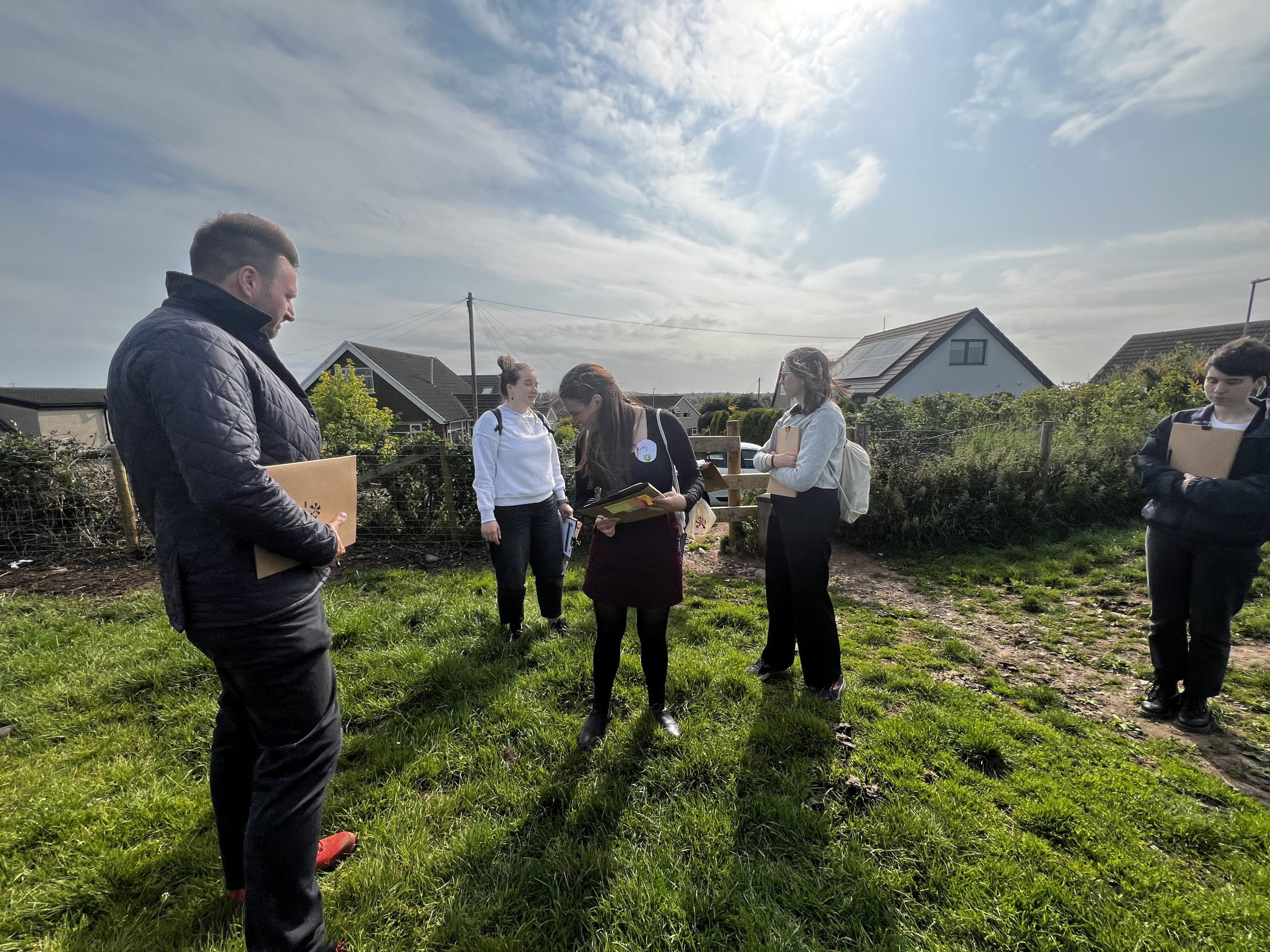
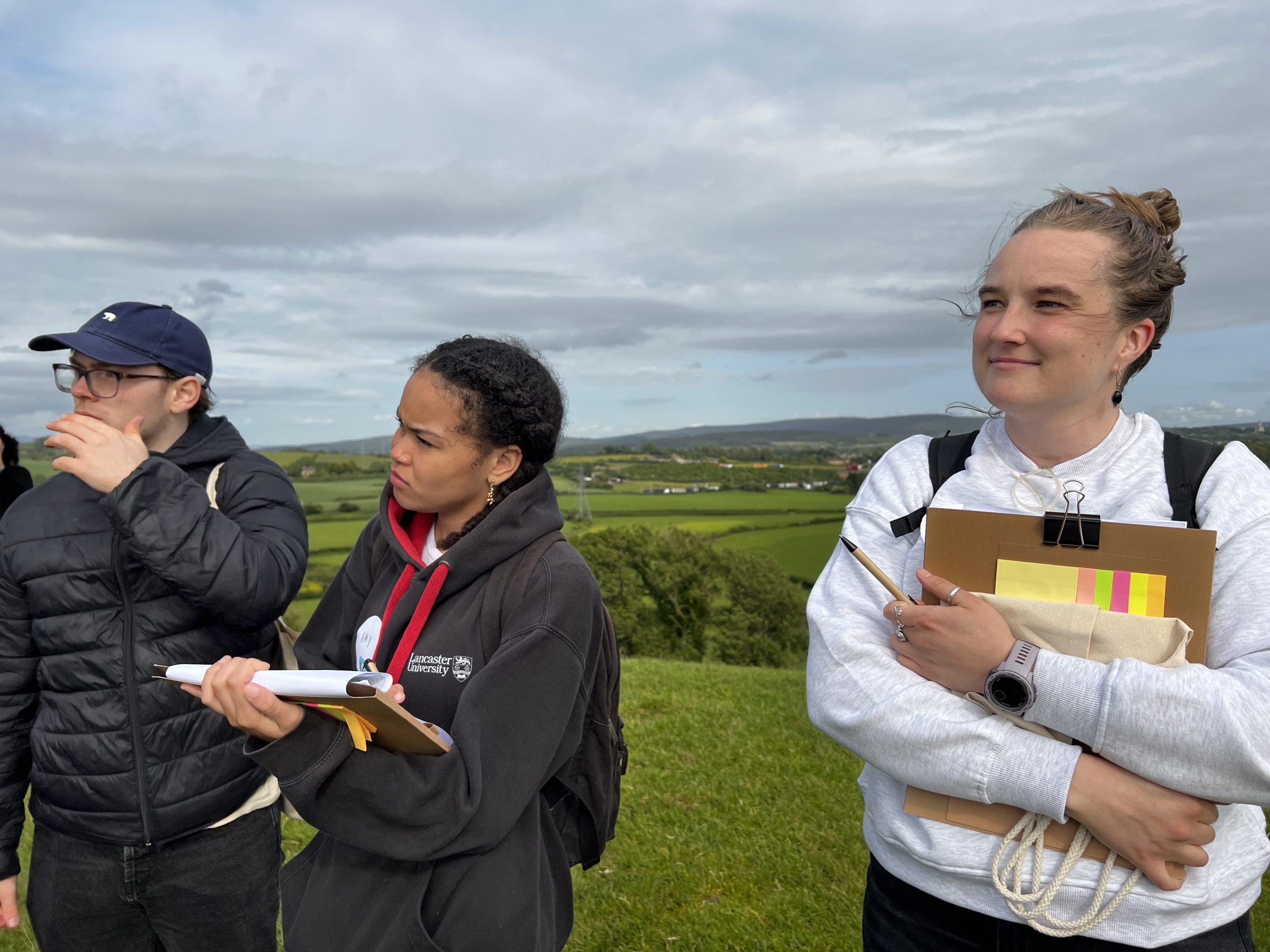
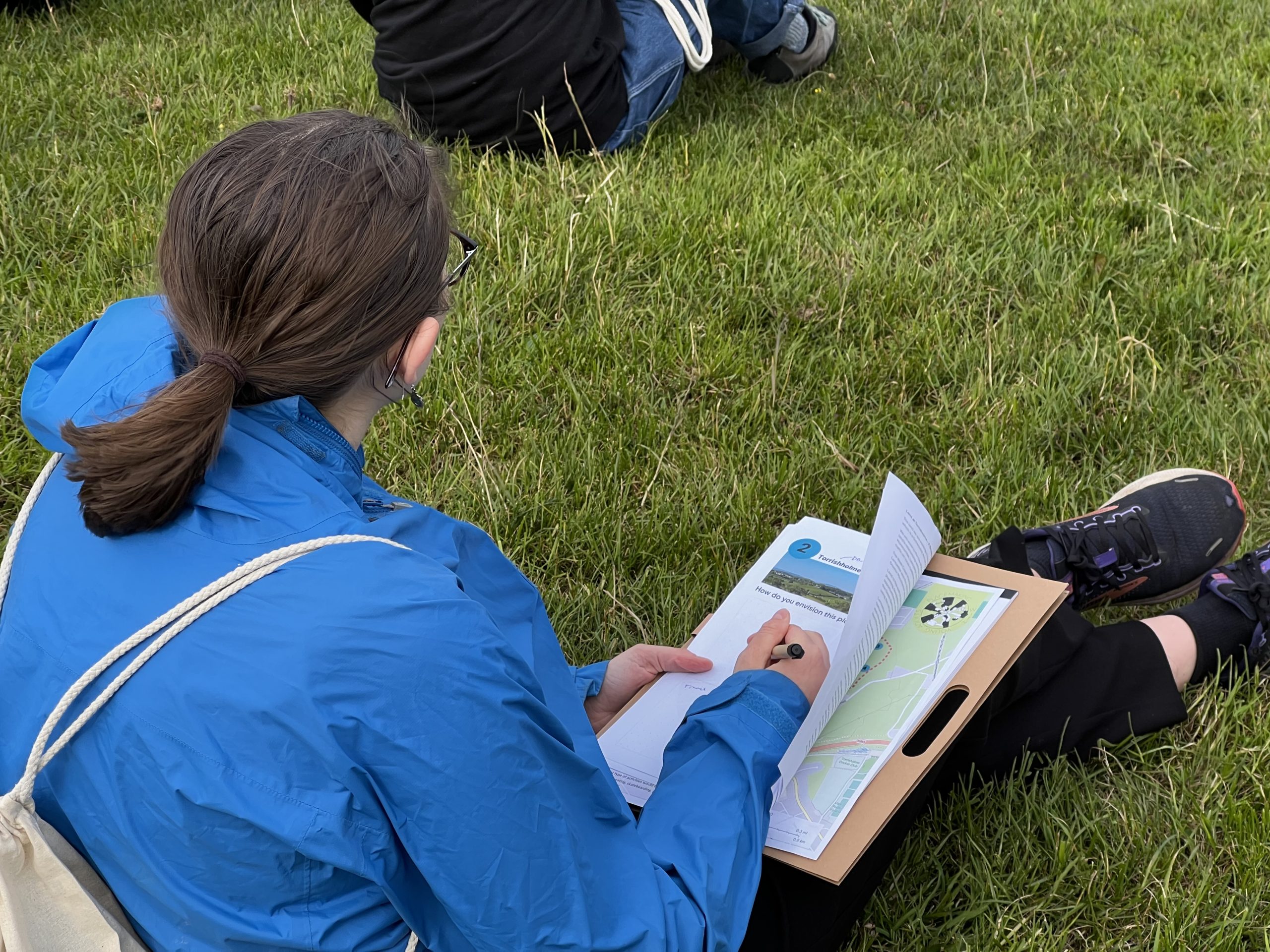
Once suitably inspired, we headed outside. The route took us through a mix of open countryside and towards Torrisholme Barrow, a neolithic scheduled monument. This was an amazing reminder that you never know what history might be beneath your feet. We were lucky enough to be joined by a Conservation Officer on the walk who was able to emphasise the importance of protecting scheduled monuments. It was highlighted that they represent irreplaceable parts of our cultural heritage and national identity. As a result, their preservation is key when thinking about sustainable development. Conversations around how development could incorporate and even boost engagement with the Barrow and enhance its protection was particularly thought provoking.
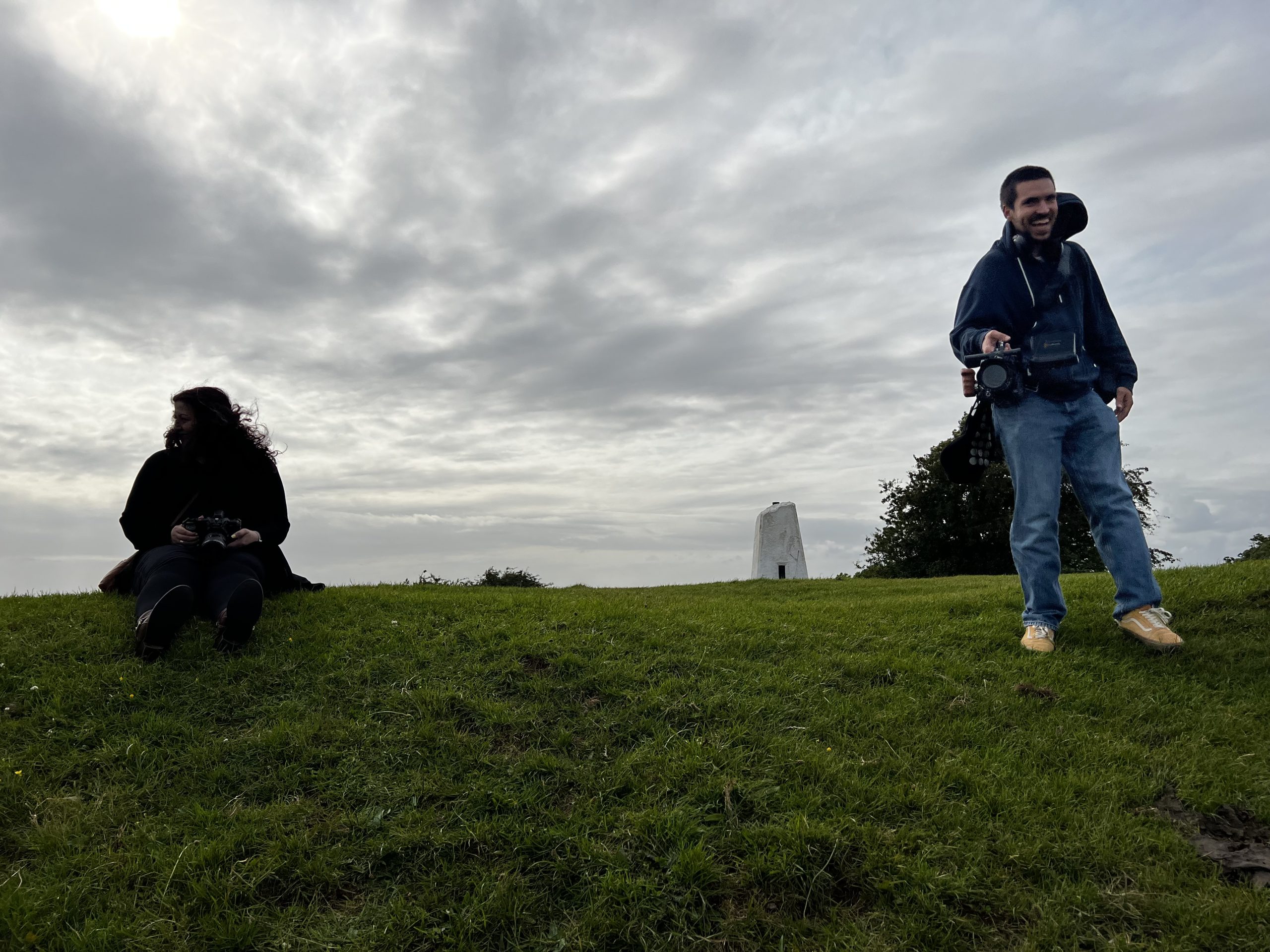
Once we reached the top of the Barrow, we were greeted with extended views across the district. Looking eastwards, thoughts around connectivity arose with the Bay Gateway, West Coast Mainline and the M6 being key features of the site. Ideas around how these larger transport links like the M6 and Bay Gateway work alongside the smaller, rural roads such as Hasty Brow if development occurred were discussed. Looking this way there was also views of the Lancaster Canal and North Lancashire Greenbelt.
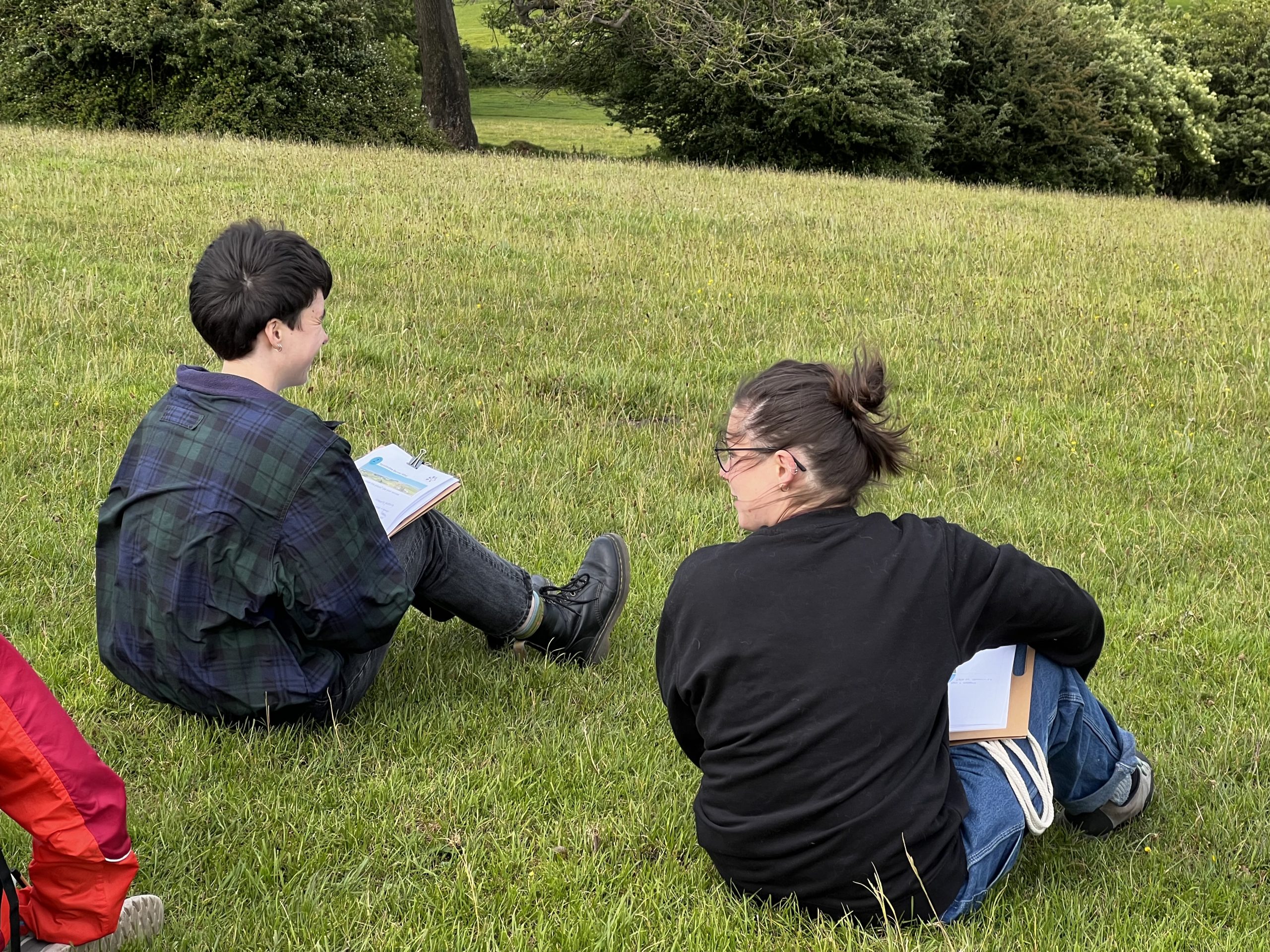
Whilst sitting down and engaging deeper with the site, the quality of the views across the site were noticed and enjoyed. They group expressed concern that new development could result in the loss of this. However, it was acknowledged that new development does not necessarily mean that important views must be lost. With sensitive and well-considered design, development can be planned to protect, frame and even enhance key sightlines across the wider landscape. Ideas around how new buildings and landscaping can be arranged to frame and highlight views and improve the overall setting. A key point was ensuring that any open space associated with the development is designed to remain accessible to the public, rather than being closed off as a private amenity space. In this way, development can deliver both protection and enhancement of views, while ensuring that the community continues to benefit from access to the open setting of the monument. Good development can even increase the access people have to views like these.
These conversations grew into discussions around housing density. Looking towards Bare and Torrisholme, it was clear that the area is dominated by low density housing, much of which are bungalows. This raised questions about how we use land, and how we balance character with growth.
Food, Chats and Next Steps
After winding down from the walk, the conversations did not stop. Over coffee and food, we dug deeper into the day’s themes. As a Planner, this part of the WALKshop highlights the beauty of this type of engagement. The sessions are not just planners talking at people, they are about real, everyday residents shaping the conversation. In these moments you hear things you would never capture in a survey box or a council chamber. Someone might share a childhood memory of playing in the fields you have just walked, or frustrations about commuting on the rural roads, or hopes for the kind of housing they would like their kids to have. These snippets are not just nice extras, they are golden insights that shape how we think about the future of the district. For us, it is a great reminder that planning is not just about policies, maps and boundary lines. It is about people, how they live, what they value, and what kind of communities they want to build.
 Mirian Calvo