
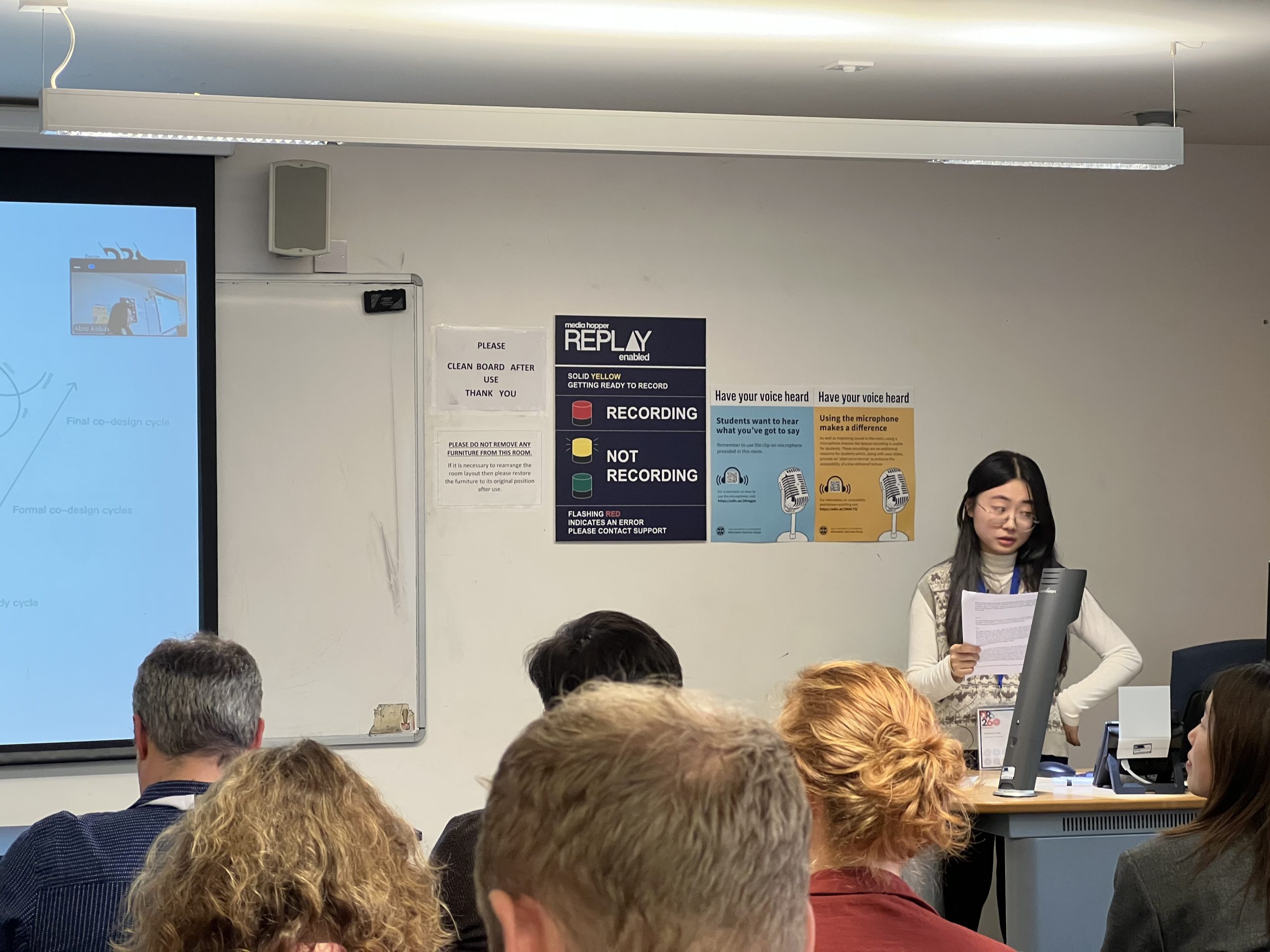
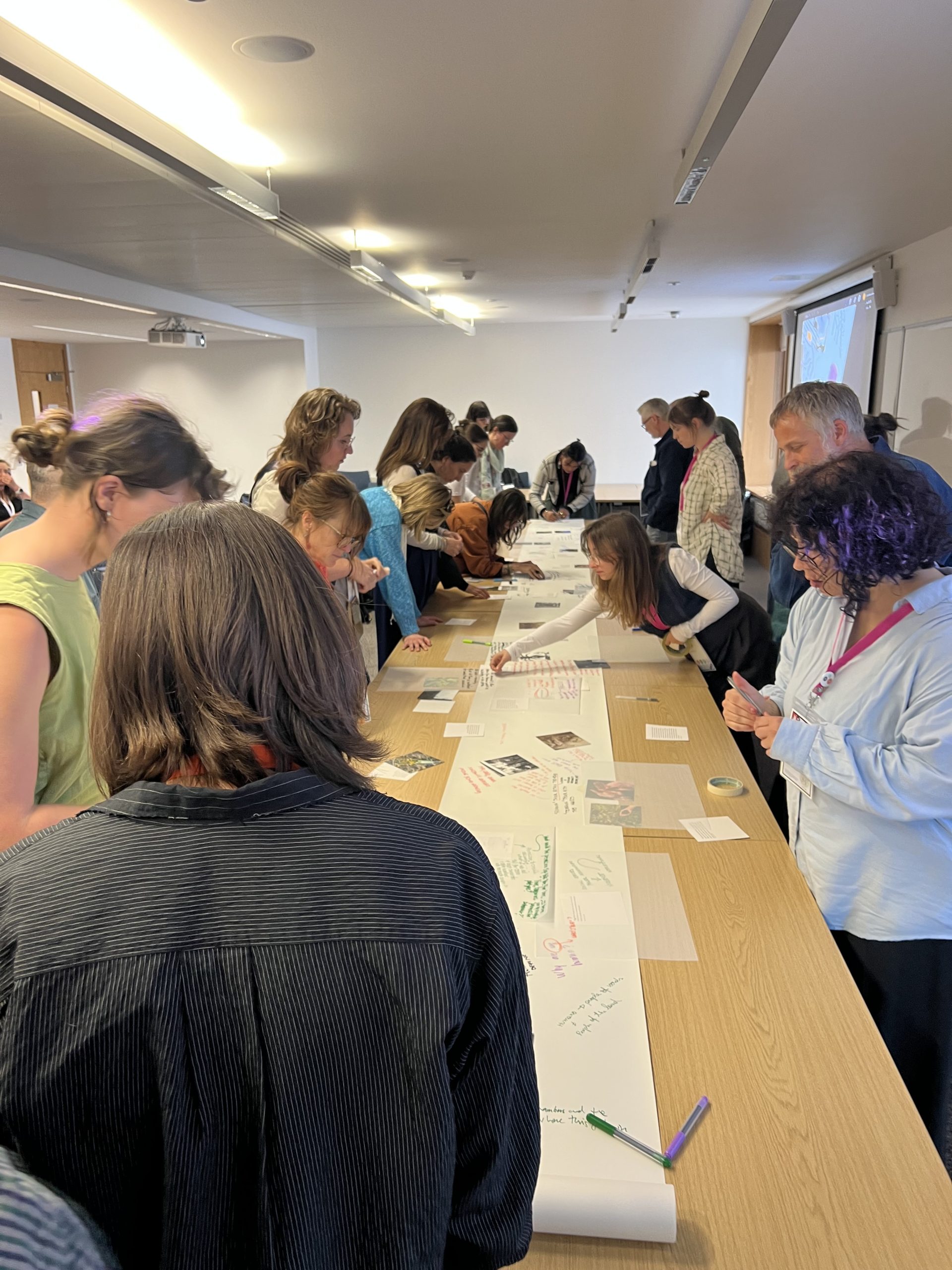
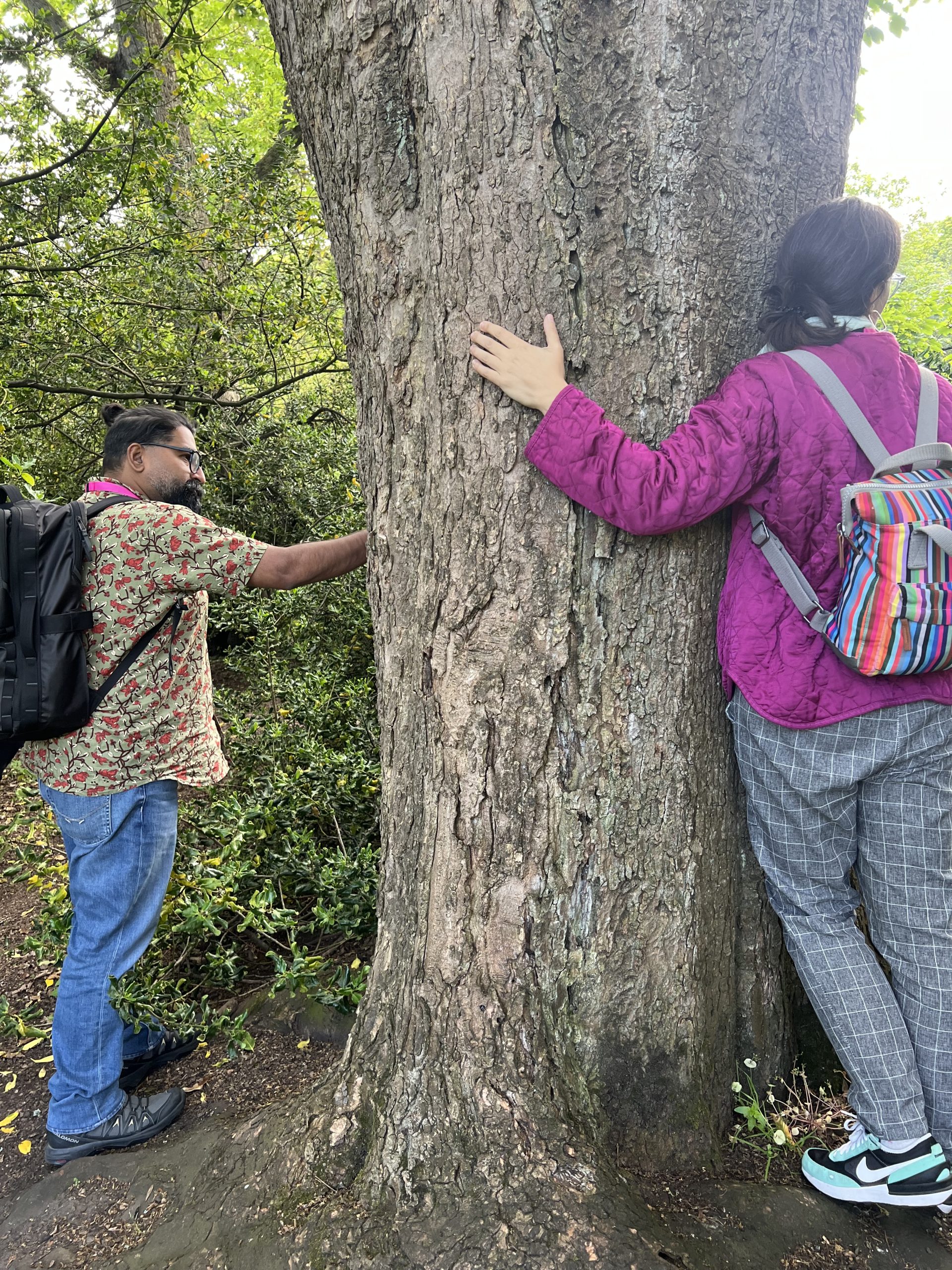
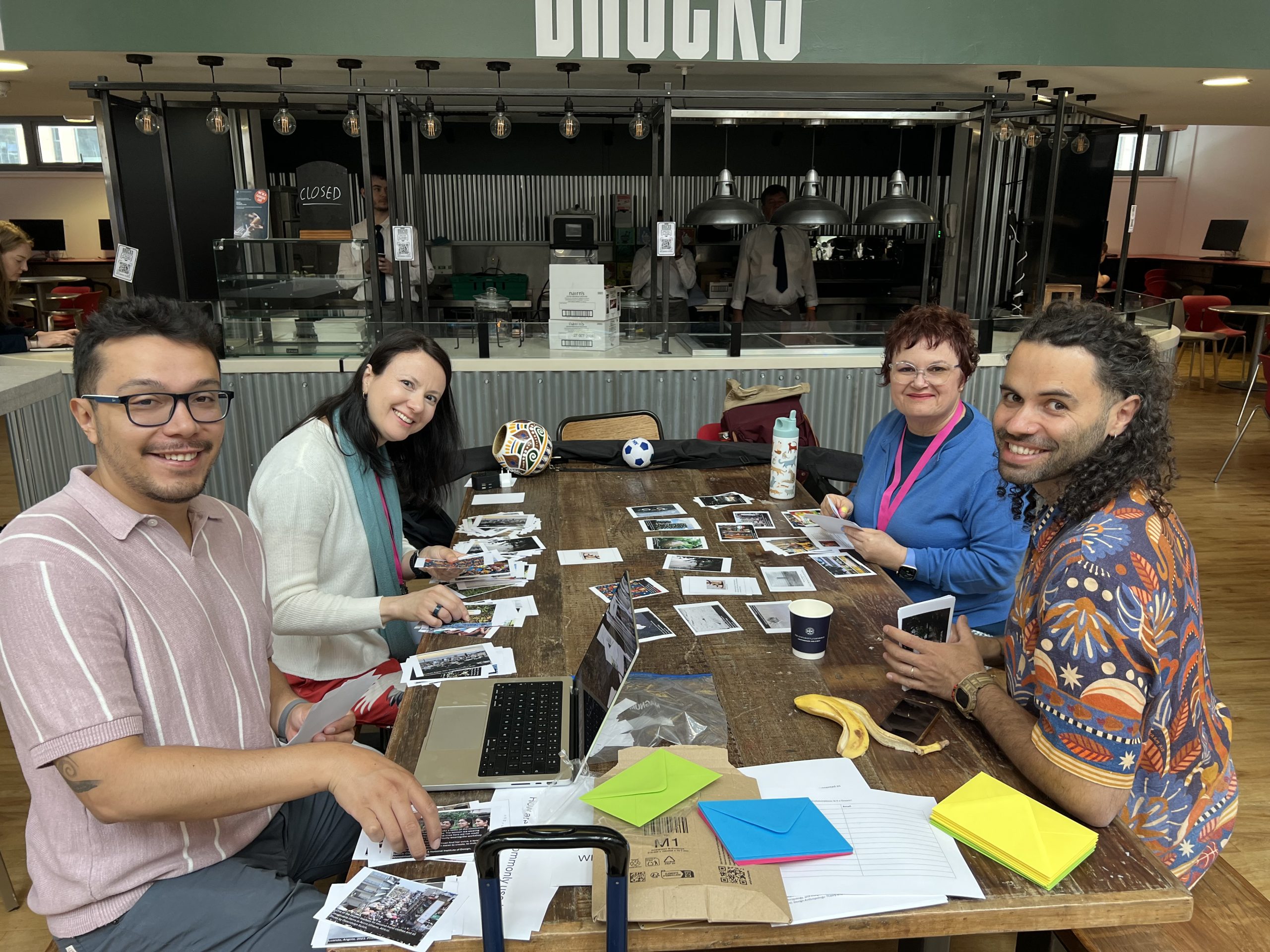
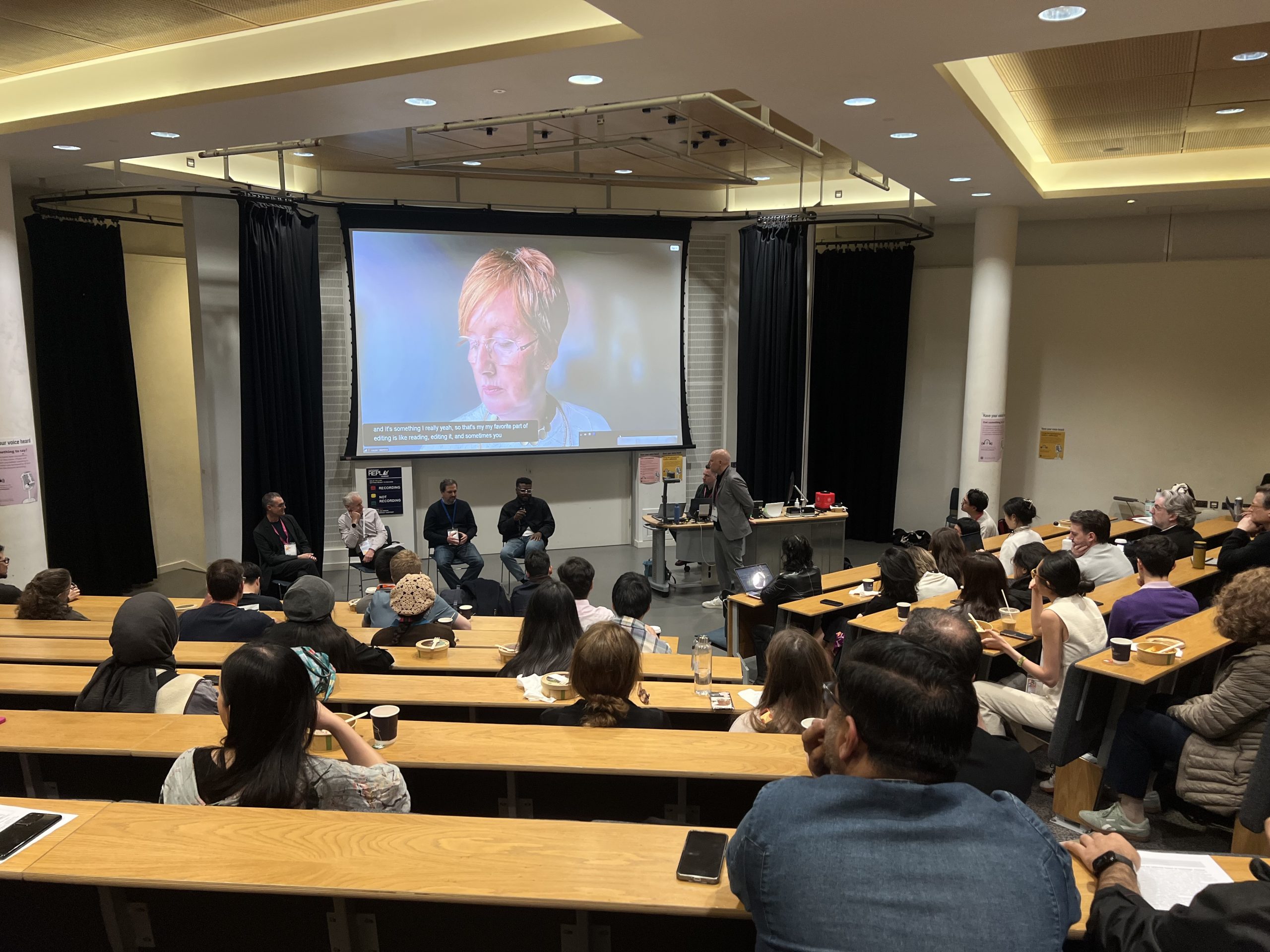
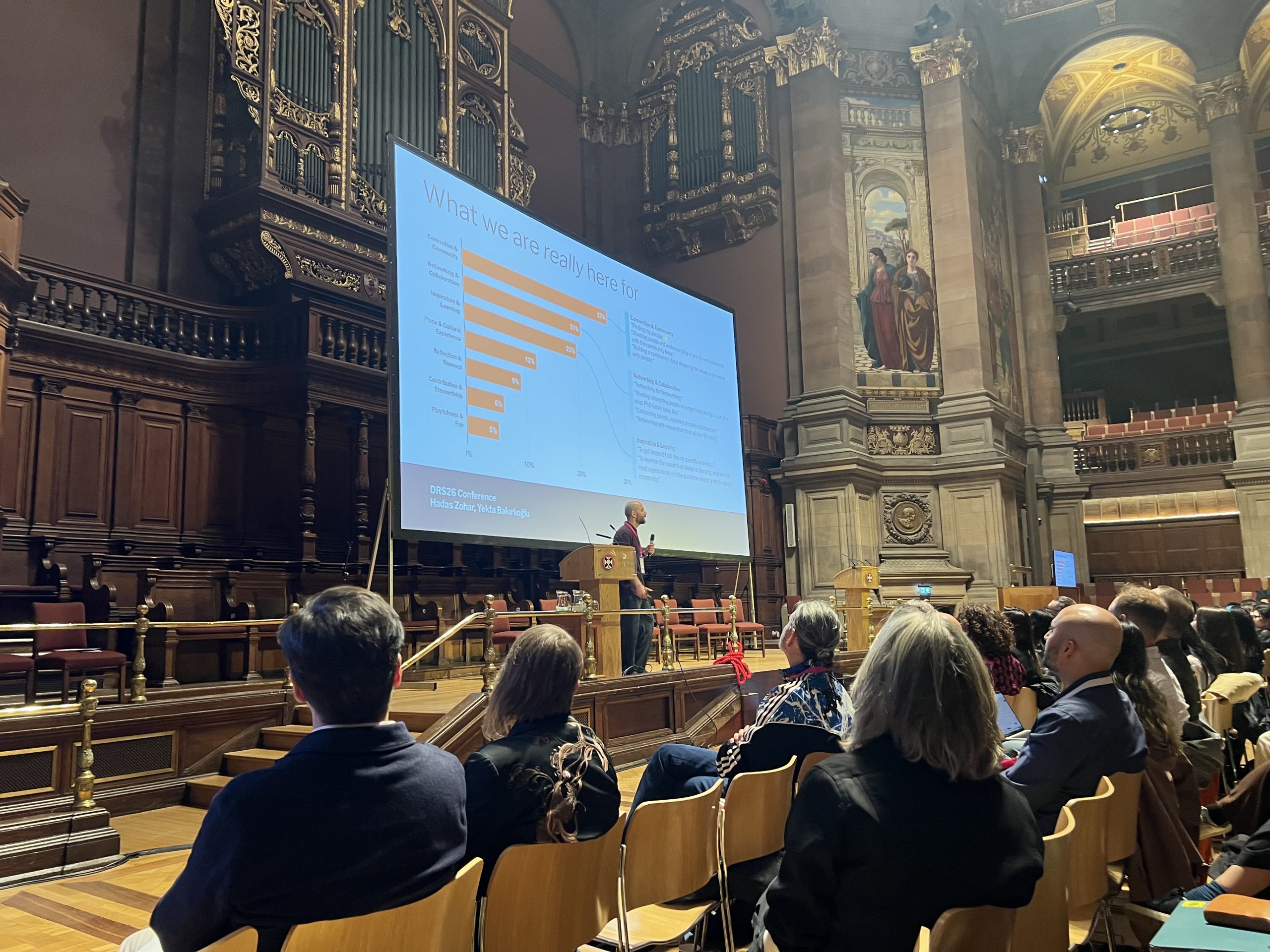
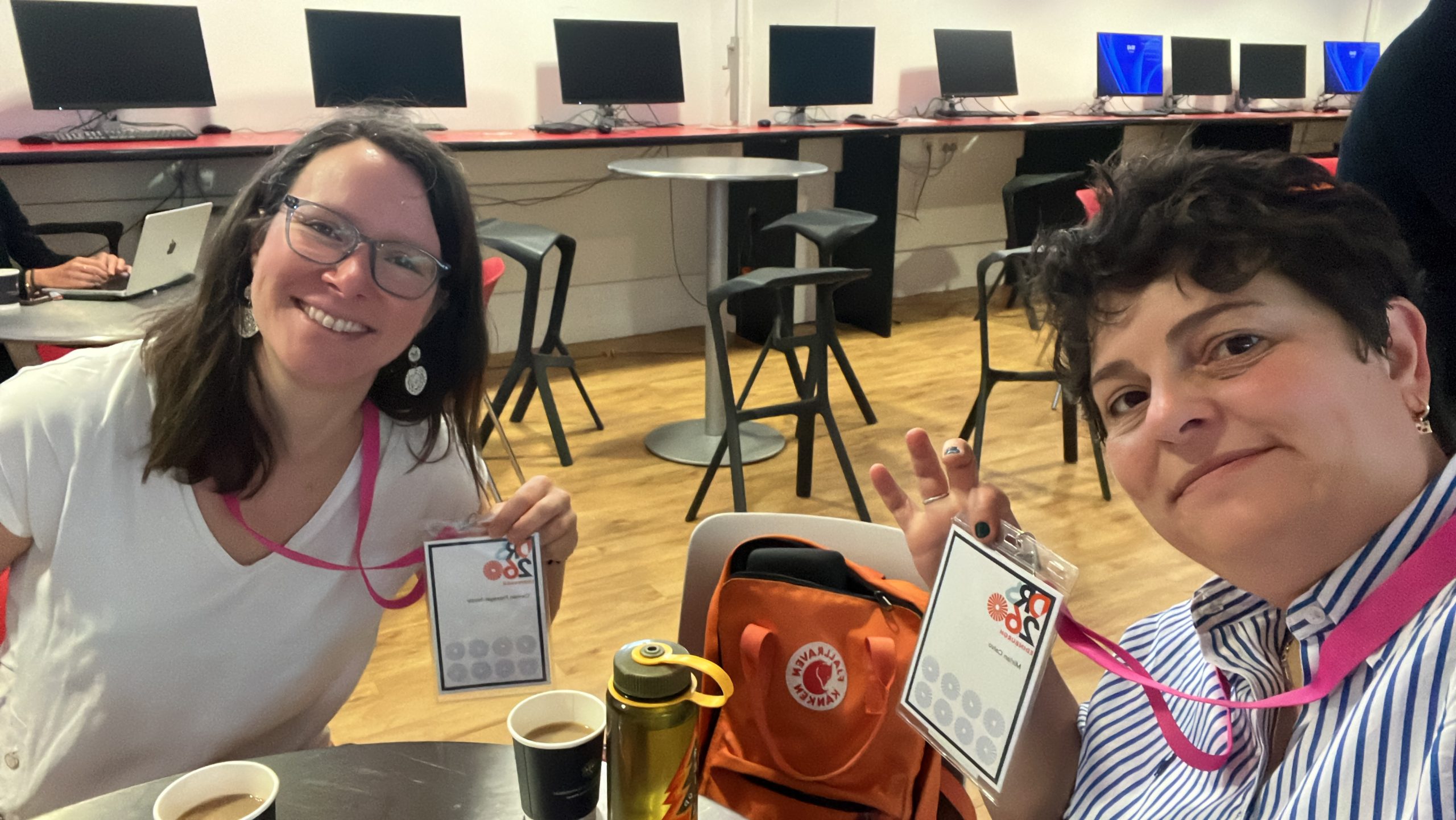
Last week I attended the Design Research Society (DRS) conference in Edinburgh—hosted in an inspiring city and bringing together a large, diverse community of researchers and practitioners. With around 1,005 delegates and approx. 550 papers presented, the conference felt both energising and intense: there were always new conversations happening, and it was impossible not to learn from the range of work on design research, society, and sustainability.
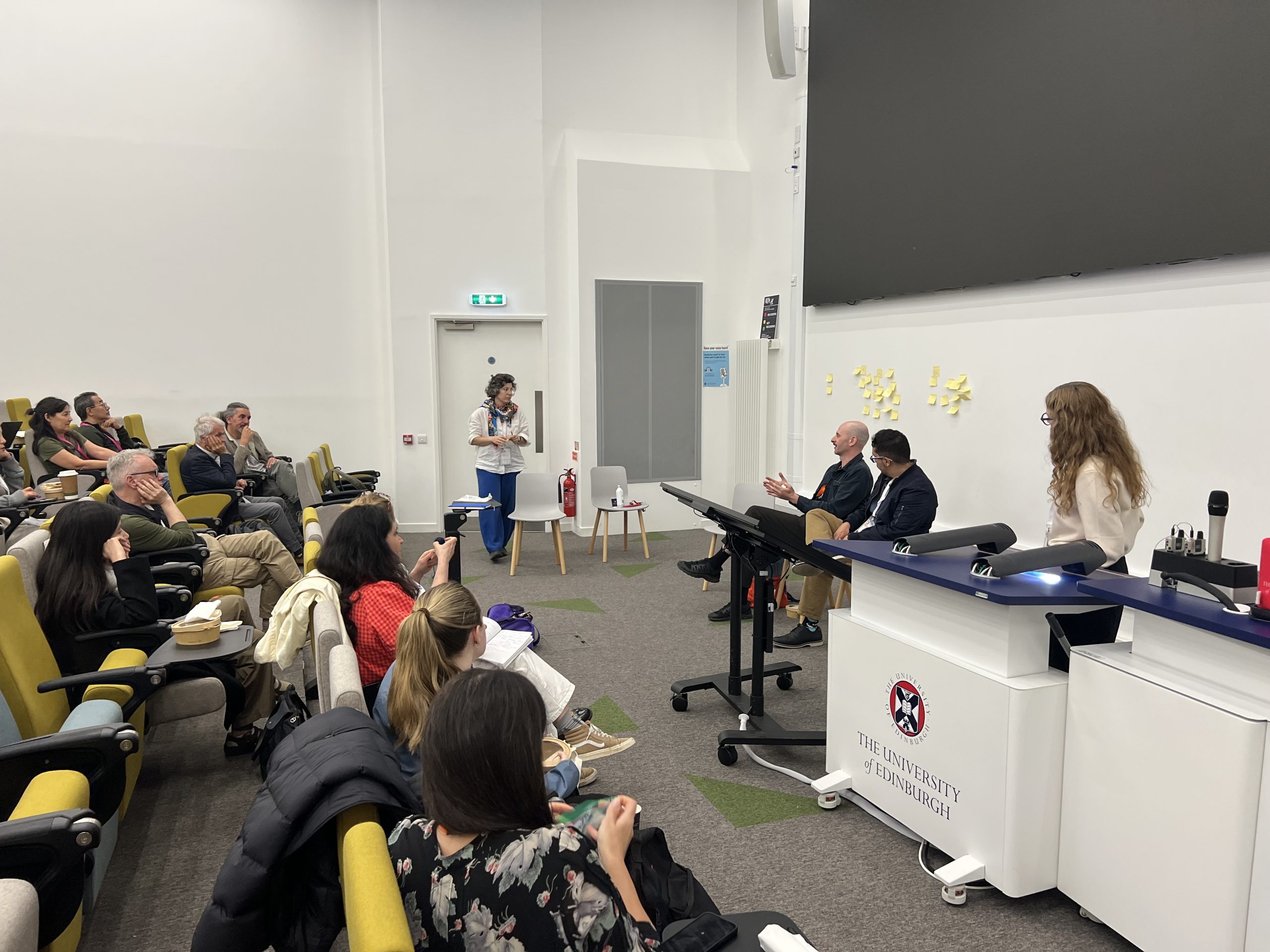
One of the highlights for me was presenting our paper with my collegue Carmen Fabregat-Nodar, from University of A Coruña (Spain), “The role of participatory architecture in urban transition.” In this work, we focus on Participatory Architecture (PA)—architecture and planning practices that treat people as co-creators rather than passive beneficiaries. Our central question is whether PA can do more than facilitate discussion: can it help support deep, sustainable urban transition in the context of climate change?
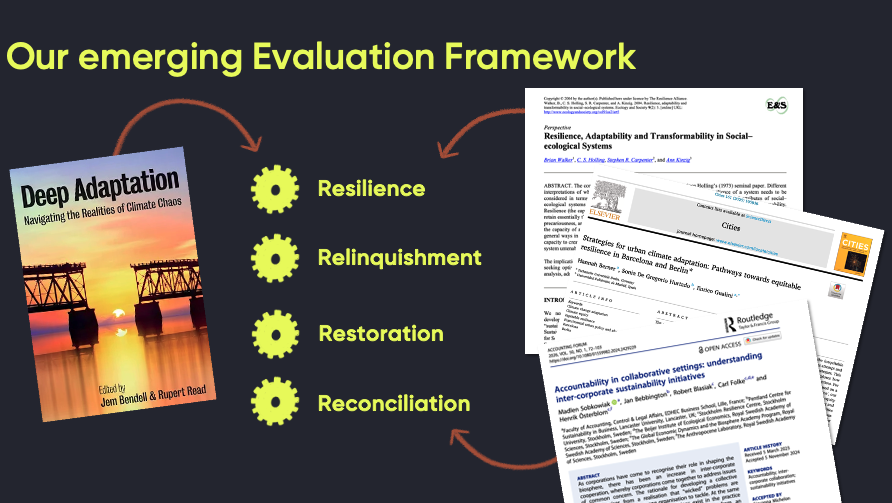
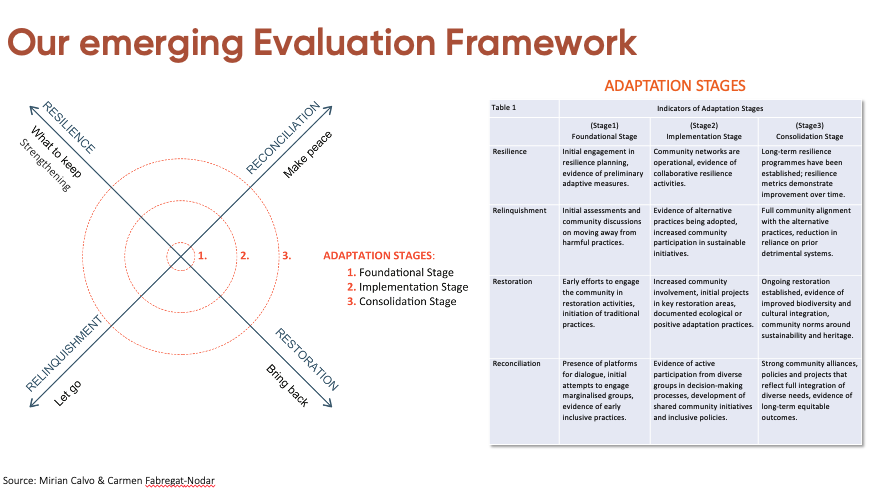
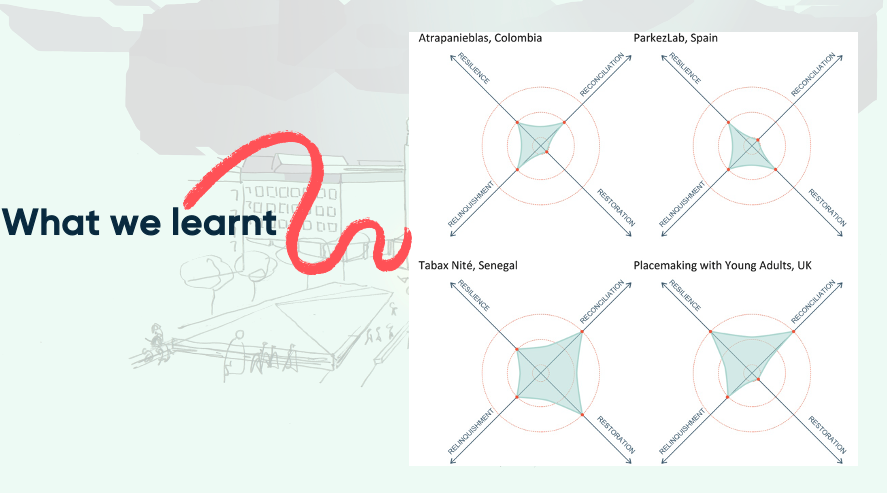
To explore this, we propose a deep adaptation [evaluation] framework which we apply it across four case studies in Colombia, Spain, Senegal, and the UK. Instead of judging projects mainly by outputs or participation counts, the framework examines four interlinked components—resilience, relinquishment, restoration, and reconciliation—and tracks how change develops across adaptation stages.
At DRS, the Q&A and discussions around our findings were especially valuable. We learned that PA can reconfigure human-ecological relationships when it creates “boundary spaces” (Calvo, 2019) for dialogue and collective envisioning. Yet outcomes vary: deep change depends on whether participation connects to governance, implementation continuity, and sustained momentum.
Overall, attending DRS reinforced for me why holistic evaluation tools matter: they help us move beyond “good intentions” and understand how participatory architecture can lead to durable, equitable transformation, rather than symbolic engagement.
Thank you to everyone who attended our session and engaged with our work. I’m already looking forward to building on the conversations from Edinburgh.
Download and read our paper here!
Reference
Calvo, Mirian (2019) Co-design and Informal-Mutual Learning: A Context-Based Study Demystified Using Cultural-Historical Activity Theory. PhD thesis, The Glasgow School of Art.
 Mirian Calvo