
On the evening of Wednesday 7th of May 2025, we launched the inaugural session of Placemaking with Young Adults 2.0 WALKshop, an interactive walk designed to engage young adults from Lancaster District in urban planning discussions. Facilitated by a research team from ImaginationLancaster, Lancaster University, led by Dr Mirian Calvo, and in collaboration with Lancaster City Council (LCC) policymakers, the evening promised to be a melting pot of ideas and insights.
A Warm Welcome
Upon arrival at the Carnforth Hub, participants were greeted in a casual, relaxed setting complete with coffee, tea, and cake. This casual and relaxed setting allowed everyone to connect and network. Each participant received a Placemaking bag, containing a designerly toolkit for the evening session – notepad, pen, the Placemaking Toolkit and water to stay refreshed as it was a hot and balmy evening!
The Placemaking Toolkit
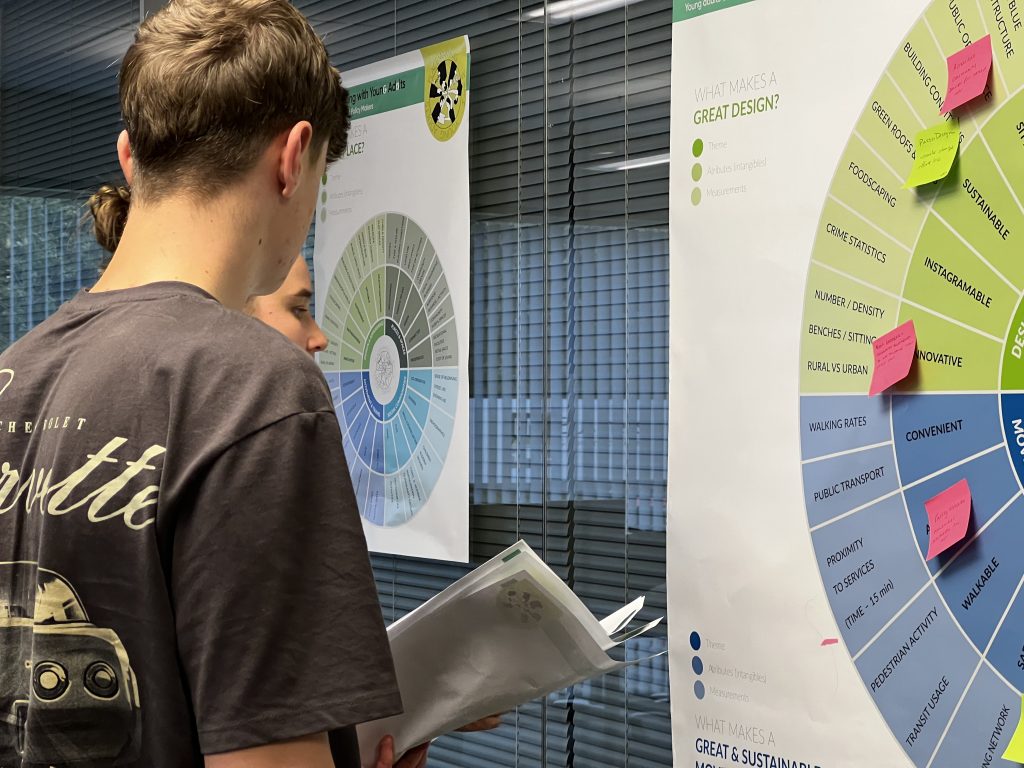
Central to the evening’s activities, the Placemaking Toolkit included a map highlighting the evening’s walking route around Carnforth, extending towards the countryside south of town. The toolkit also featured specific site sheets to capture first impressions and gather cultural, historical, and planning insights. Filming by the research team recorded the session, ensuring the innovative engagement approach with young adults was documented for future reference.
Introduction to the Placemaking Framework
After coffee and cake over friendly chats, the session opened with an introduction activity to the Placemaking framework, where the participants learned how to use the toolkit to capture insights on the WALKshop while considering the framework key themes. This first activity also emphasised the vital role of young people’s participation in the Local Plan process:
“It’s essential that decisions made today reflect the hopes, ambitions and dreams of young people.”
Exploring Carnforth
The walk commenced from Carnforth Hub, moving towards the city centre and then along Lancaster Canal pedestrian path. As we walked, participants shared their motivations for attending and their aspirations for the session. It became evident that while many were eager to engage more in planning, they were unsure how to do so highlighting a key aim of the initiative: to empower young voices through participatory placemaking.
The Canal’s Dual Role
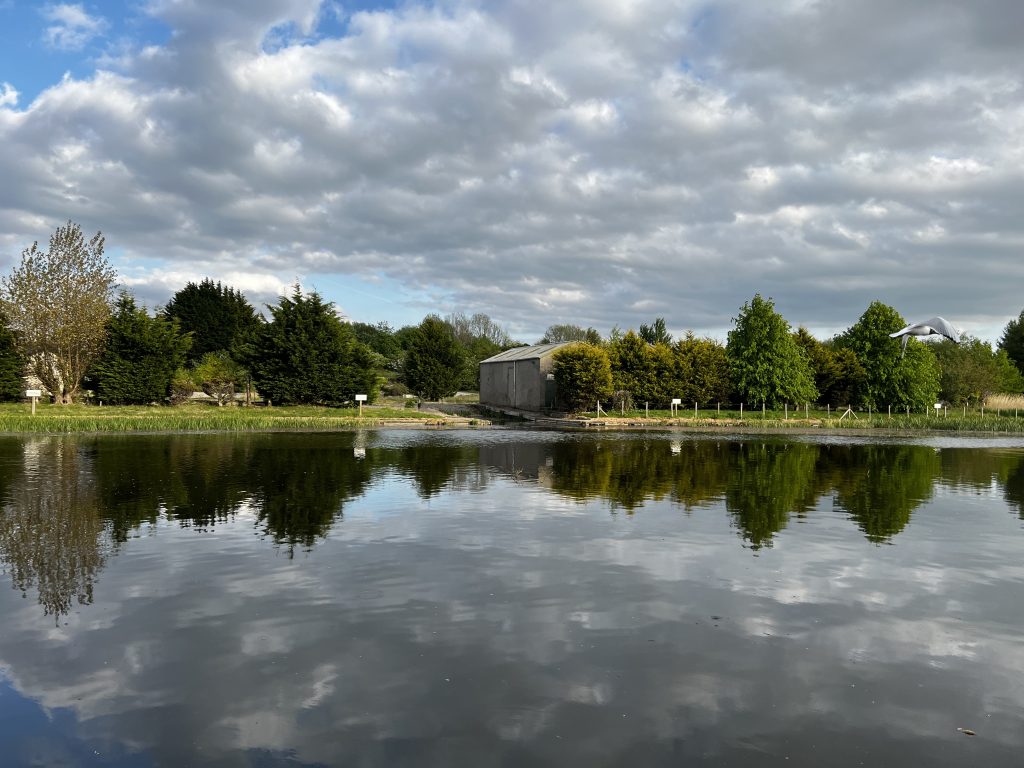
When we left the main road and turned onto the canal towpath, it was interesting to observe how Carnforth is divided by the canal and what a barrier it is for connectivity, particularly by cycling and walking. Participants seemed surprised by both the great benefits the canal brings, in terms of environment and nature, but also the opportunities and challenges it presents for placemaking. As we progressed in our walk, it became clearer that good placemaking in this area would be very much tied to the future roles and functions the canal may take, and its relationship with any new potential development.
A Change in Scenery
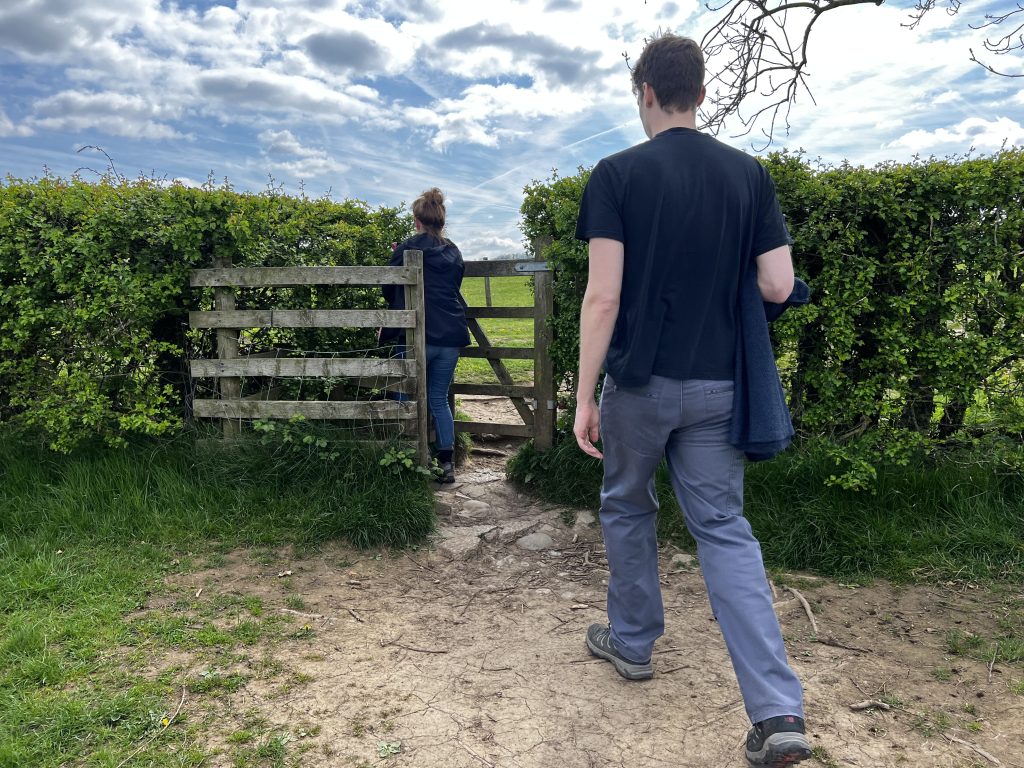
We continued our walk towards the countryside, South of Carnforth, the character of our surroundings changed. Gone were the urban influences of the road and housing estates and the enclosing nature of the canal changed to open green fields, most of them with agricultural value. We could appreciate how the canal embeds important fragments of history and heritage of the local area, for instance as we crossed one of the stone (listed) bridges which date for the very origins of the canal itself.
Preserving Stunning Views
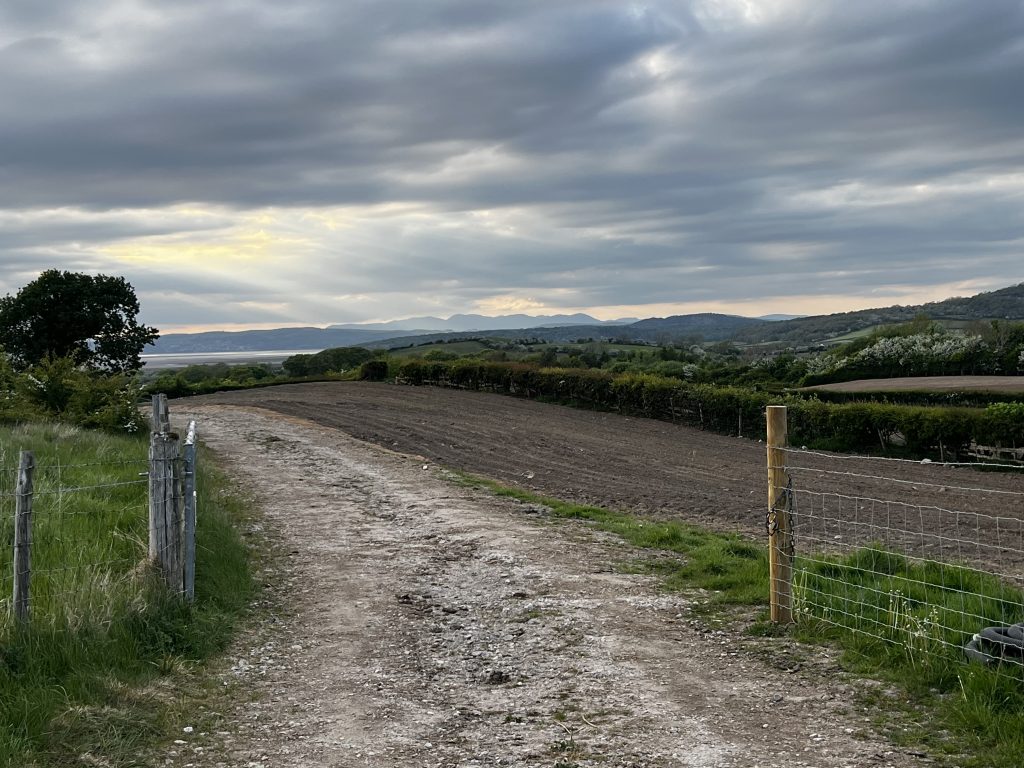
Moving on into the open countryside, the participants focused on the rural nature of the area we were walking through, many were taken aback by the stunning views over Morecambe Bay and onwards to the Lake District. Made all the better by a beautifully clear early summer evening. Many participants expressed that the stunning views should be preserved, and should development ever take them away to ensure that new and existing communities could continue to benefit these breathtaking views.
Balancing Development and Preservation
Much of the land we were passing through was agricultural, it ranged from arable land to pastural grazing but highlighted its value in its current state. We were left thinking about some of the balances which planners need to think about when preparing the Local Plan: to build houses to meet the needs of the people, and simultaneously, to protect land for its environmental value.
It made us think about the most effective use of land and the role of densities when it comes to using greenfield sites for development. More effective and efficient use of the land can help balance these competing needs but also ensure a broader range of housing types are provided to meet a wider cross section of our young communities and beyond. All valuable components of good placemaking.
Discovering Lundsfield Quarry
Then, we came back again into the limits of urban areas of Carnforth, and we ventured into Lundsfield Quarry, a former industry site which has been derelict and unused for many years. As we walked through the site, we noted that the environmental value of some of this now classified brownfield site is important. It is currently a haven for wildlife (flora and fauna), as well as a valuable recreational spot for local walkers. We noted that this area could very well provide a central lung for a potential new development to the South, benefitting new resident there and retaining its value and building connections to the pre-existing urban tissue.
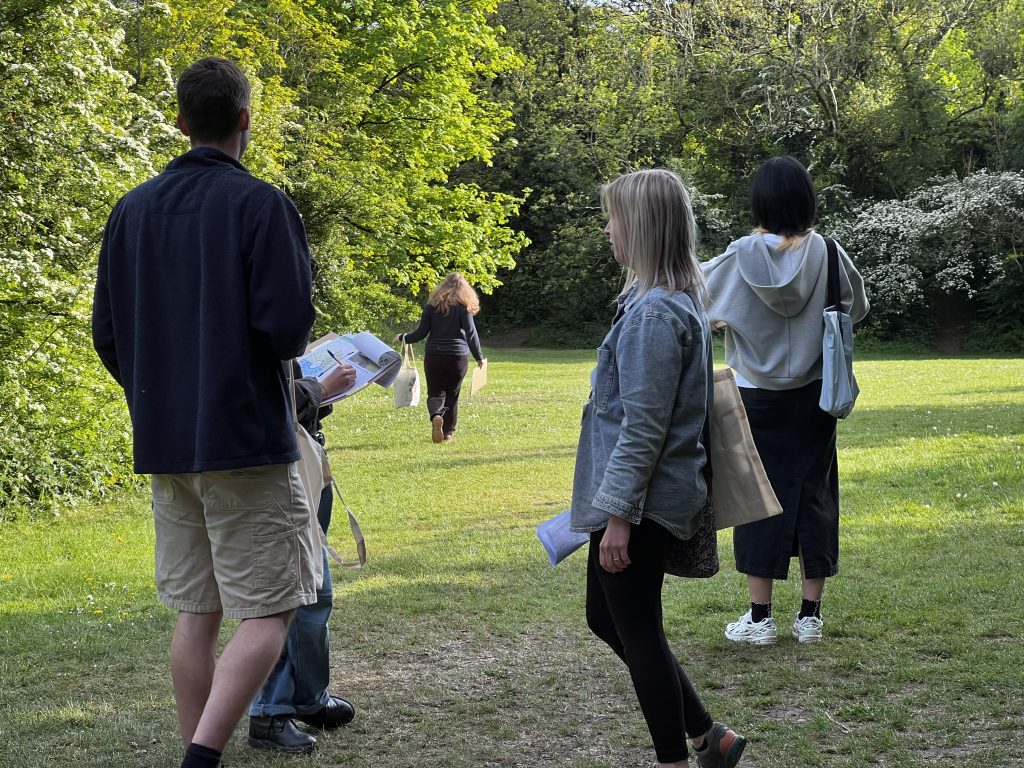
Participants walking around Carnforth
Reflections and Insights
By that time, the light was beginning to fade, and dust was settling in, we had the opportunity to chat with some residents on the way out of Lundsfield Quarry. They shared their experiences of the place to the wider group. As we walked out of the former Quarry site, we saw some of the challenges around accessing this wider area from the road network. We returned to Carnforth Hub for dinner and a well-deserved rest. During dinner, we collectively reflected on the walk. For me, I enjoyed the walk. It’s diverse, with a range of townscapes, open countryside and an interesting brownfield site in the form of Lundsfield Quarry.
Conclusion: A Path Forward
The WALKshop highlighted two standout elements: the canal’s pivotal role in future developments and the necessity of optimising land use for broader community benefits. These insights fuel optimism for Carnforth’s future, underscoring the essential role of young people in shaping a shared vision. Moving forward, emphasis on inclusive, effective placemaking will transform challenges into opportunities, paving a promising path for Carnforth and its young residents. The discussions about land use efficiency really resonated with me. We must make the most of our finite land resources—achieving higher development densities and offering a wider housing range is crucial. It seems a no-brainer to me.
Author: Planning Policy Assistant LCC
 Mirian Calvo